
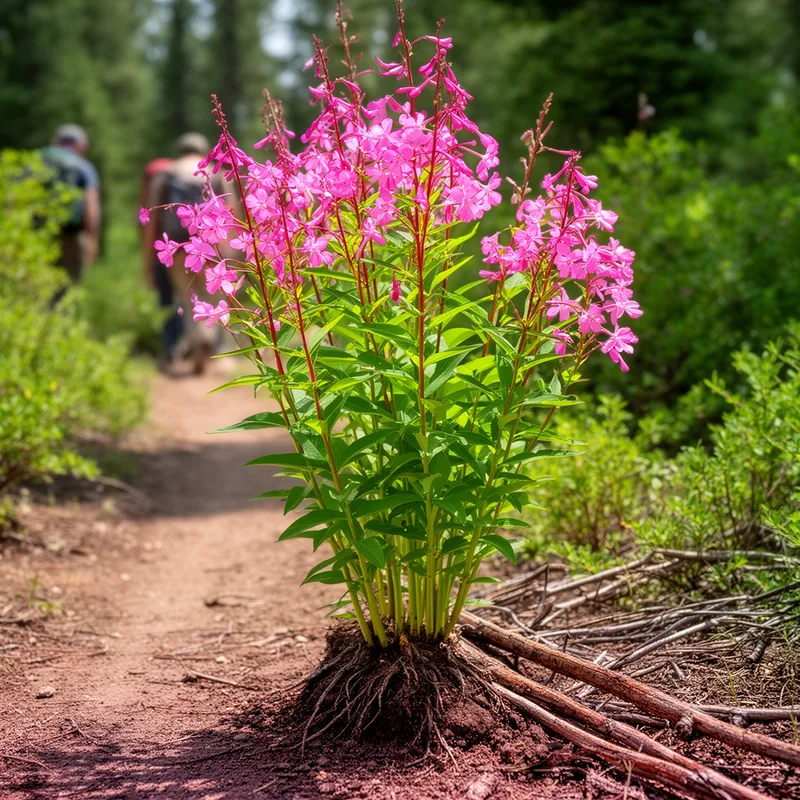
spreading dogbane
- noun
- /ˈsprɛdɪŋ ˈdɔɡbeɪn/
- US
- Traditional remedies sometimes used the roots of spreading dogbane to ease aching joints.
Examples
-
The pinkish blossoms of spreading dogbane attract a variety of pollinators in the summer.
-
Hikers in the region often pass by spreading dogbane growing along the trail.
-
The spreading dogbane blooms beautifully in late spring.
-
I found some spreading dogbane in the garden.
-
Hikers in the region often pass by spreading dogbane growing along the trail.
-
The pinkish blossoms of spreading dogbane attract a variety of pollinators in the summer.
-
Traditional remedies sometimes used the roots of spreading dogbane to ease aching joints.
Synonyms

A North American plant with pink flowers used to treat joint pain

A North American plant with pink flowers in loose clusters used by healers for joint pain

A wild North American plant with pink flowers found in the Rocky Mountains
Surface Forms
Morphology
This is a straightforward adjective + noun combination: 'spreading' (extending over a wider area) modifies 'dogbane' (a poisonous plant), so the phrase denotes a type/variety of dogbane with a spreading growth habit. Such descriptive plant names follow common compositional patterns across languages, so a B1 learner who knows both constituents can infer the meaning.
Etymology
Spreading dogbane shows its story in the name: spreading describes how the plant grows low and wide, and dogbane comes from an old belief that the plant could harm dogs because 'bane' means 'harm' or 'poison'. So the name helps people remember a wide-growing plant once thought to be dangerous to animals.

