
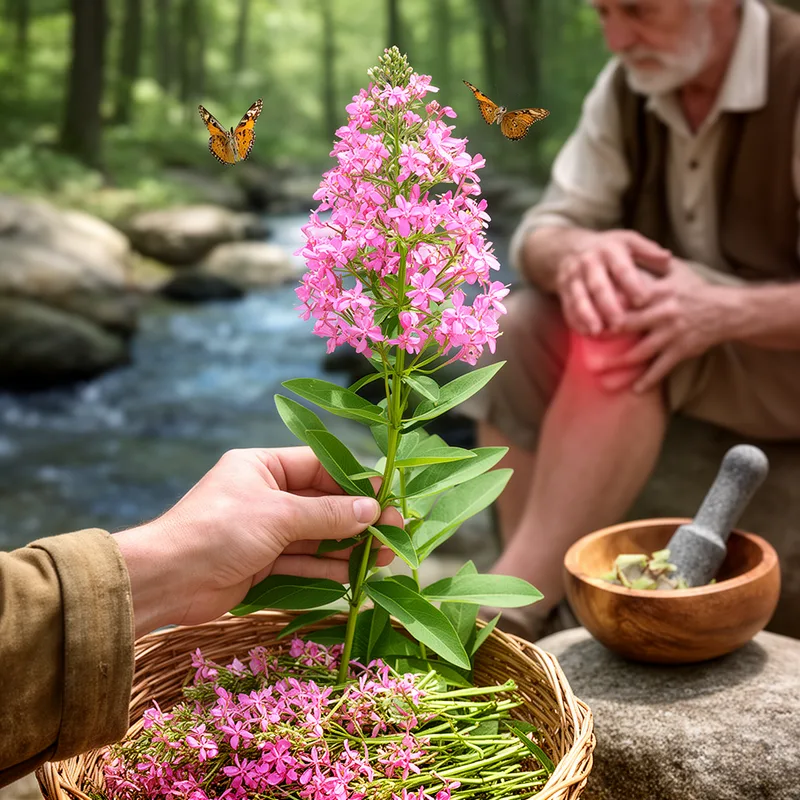
common dogbane
- noun
- /ˈkɑːmən ˈdɔɡbeɪn/
- US
- Local herbalists sometimes use common dogbane to make remedies for aching joints.
Examples
-
The pinkish flowers of common dogbane attract many butterflies in the summer.
-
After hiking through the woods, we identified a patch of common dogbane near the stream.
-
The common dogbane is often found in wetland areas.
-
Many herbalists use common dogbane for its medicinal properties.
-
Local herbalists sometimes use common dogbane to make remedies for aching joints.
-
After hiking through the woods, we identified a patch of common dogbane near the stream.
-
The pinkish flowers of common dogbane attract many butterflies in the summer.
Synonyms

A North American plant with pink flowers that comes back every year
A North American plant with pink flowers used to treat joint pain
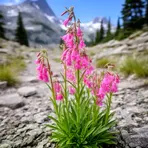
A wild North American plant with pink flowers found in the Rocky Mountains

A North American plant with pink flowers used in traditional medicine for joint pain and to make rope
Surface Forms
Morphology
The noun phrase is compositionally transparent: 'common' simply qualifies 'dogbane,' so a learner who knows 'dogbane' (a toxic plant) and 'common' will infer it denotes the widespread or typical variety of that plant. There is no idiomatic or metaphorical shift—it follows a standard ADJ+NOUN pattern that B1 learners can readily interpret.
Etymology
Common dogbane comes from old folk ideas that the plant would hurt or keep away dogs, because dog and bane together meant a thing that causes 'harm' or 'poison'. That's why the name stuck to the pinkish plant we know today, even though people sometimes used it as a folk 'remedy' for aching joints.

