
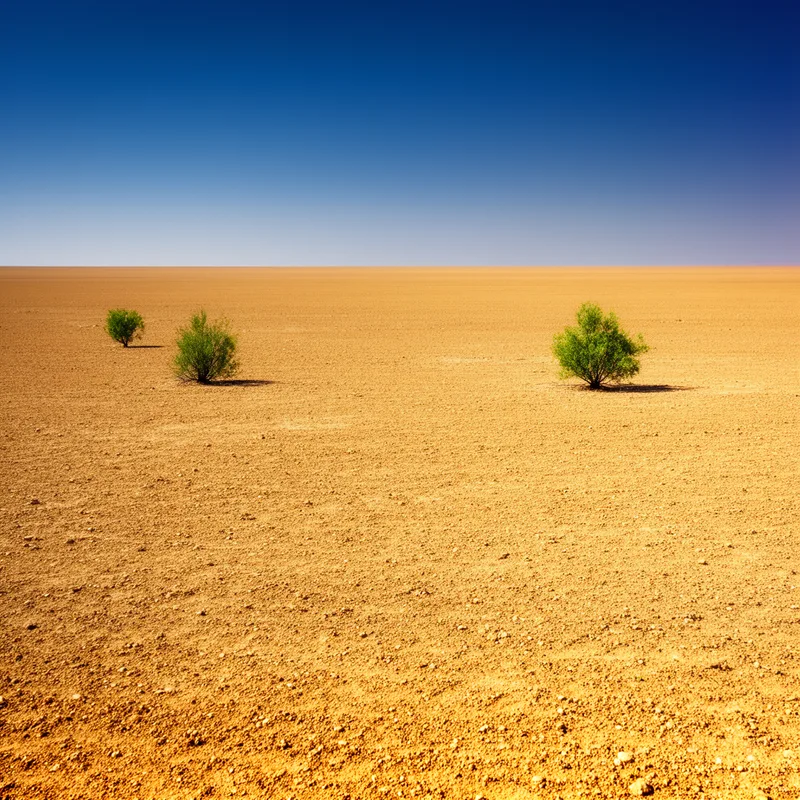
sparse
 31
5.0
31
5.0

- adjective
- /spɑrs/
 :
escaso
:
escaso
- It's homespun clothing, antique speech patterns, sparse diet, and simple utensils.
- sparse population
- sparse vegetation
- sparse data
It's a very minimal and sparse kind of generic form.
- It's a very minimal and sparse kind of generic form.
- I'm just kind of using simple little strokes and filling in any sparse areas that I have.
- So it's not a fully connected, it's like it's, it's sparse somehow.
- During the war, the correspondence between monarchs was pretty sparse.
Examples
-
In others, we found the vegetation too sparse to sustain life... ...or the water supply too limited.
-
The audience was sparse.
-
I have some sparse areas right here.
-
But as I hear it now, I realize how sparse it all is.
-
You could see there is still a little bit of hair, but it's very sparse, which is just amazing.
-
It's a little sparse right now.
-
Research findings supporting this view are sparse, and some may argue they are methodologically weak.
Academic text (1992) -
Rhythmic figures were almost exclusively quarter notes, with a sparse number of eighth notes.
Academic text (2011) -
We wound up in the hills, through sparse patches of green, and some very bony sheep.
Fiction book (1994) -
The vegetation in the desert is sparse, with only a few scattered plants.
Synonyms
 8
6.4
8
6.4
Spread out over a large area and not in one place
 1
4.3
1
4.3
A space that has little material or few people
 1
3.5
1
3.5
Spread over a wide area and not close together
Spread out across a wide area
Antonyms


How Sparse

Surface Forms
Etymology
Sparse comes from an old Latin root spars- meaning 'to scatter' or 'to sprinkle', like a few drops spread far apart. So, when something is sparse, its parts are thinly spread and not close together.