
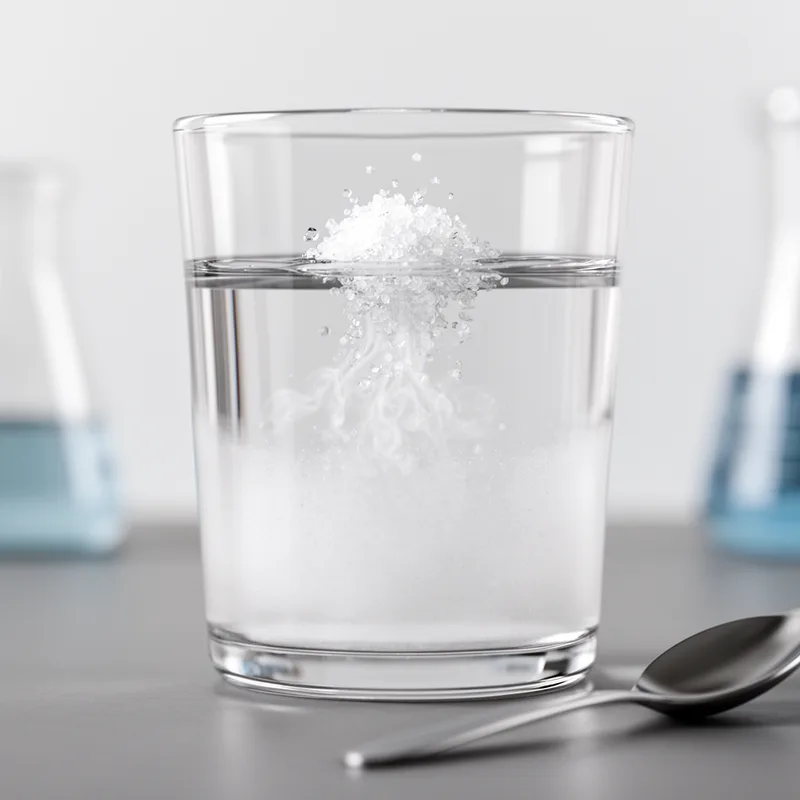
solubleness
- noun
- /səˈluːbəl.nəs/
- Archaic
- The solubleness of sugar in water is well known.
Examples
-
The solubleness of salt in water makes it easy to prepare saline solutions.
-
The chemist was interested in the solubleness of the new compound in organic solvents.
-
Different chemicals have different levels of solubleness depending on temperature and pressure.
-
High solubleness is essential for effective drug delivery.
-
The solubleness of sugar in water allows it to easily sweeten beverages.
-
The solubleness of salt in water is vital for creating brine solutions used in cooking.
-
Different factors such as temperature affect the solubleness of various substances in liquids.
Synonyms

 2
4.8
2
4.8

How well a substance dissolves in a liquid like water

How easily a substance mixes into a liquid
Antonyms

How Soluble
- Archaic

- Specialized
Surface Forms
Morphology
Etymology
Solubleness comes from soluble, which comes from the Latin solvere meaning 'to loosen' or 'to untie', the same root as solve and solution. So solubleness is how easily something can be 'loosened' or 'dissolved' in a liquid.