

snow-blindness


 1
8.1
1
8.1
- noun
- /snoʊˈblaɪndnəs/
- UK
- After hours of trekking through the snow, I realized that I was experiencing snow-blindness and needed to rest my eyes.
Examples
-
What, have you got snow blindness now?
-
He squinted; snow blindness could strike a man at this time of year.
Fiction book (1992) -
When skiing on bright days, it is important to wear goggles to prevent snow-blindness from the sun's reflection off the snow.
-
Many climbers suffer from snow-blindness if they underestimate the dazzling brightness of the snow at high altitudes.
Synonyms
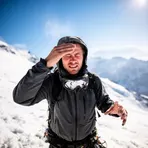
Temporary loss of sight that happens when bright sunlight reflects from snow or ice
Antonyms

How Severe

Surface Forms
Morphology
snow-blindness = snow-blind (transparent) = snow + blind + ness
The adjective 'snow-blind' (snow + blind) plus the noun-forming suffix '-ness' straightforwardly yields 'blindness caused by snow glare'.
Etymology
The word snow-blindness is a simple compound of snow and blindness, which mean 'snow' and 'not able to see'. It describes the temporary loss of sight that happens when bright sunlight or glare from snow hurts the eyes, so the name tells you exactly what causes the problem.