
slivery
- adjective
- /ˈslɪvəri/
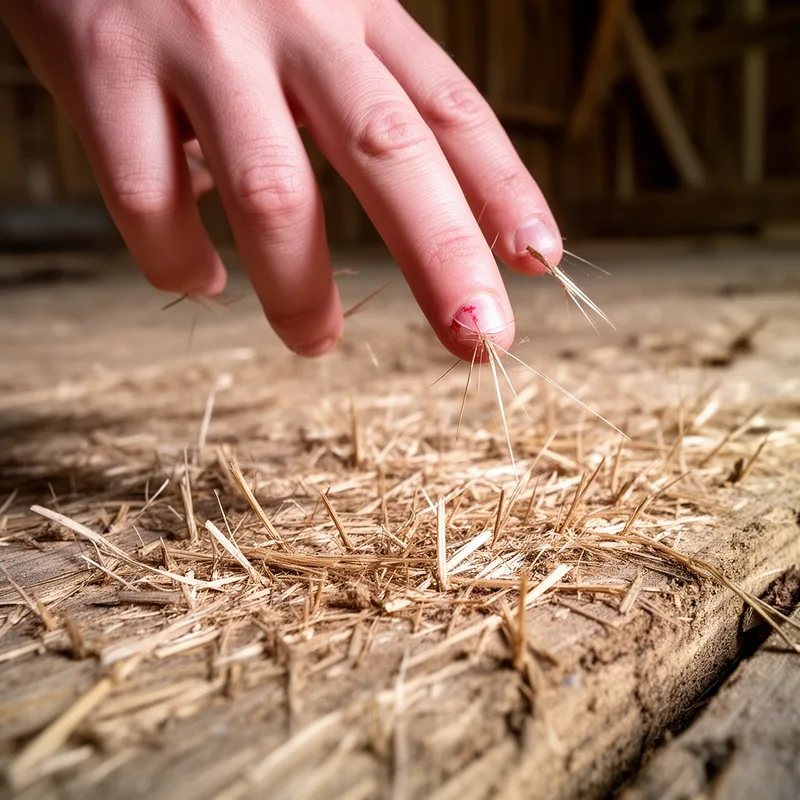
- The old barn had a slivery wooden floor that pricked anyone who walked barefoot.
Examples
-
She noticed a slivery shard sticking out of the table.
-
She avoided touching the slivery branches piled in the yard.
-
After hours of sanding, the door no longer felt rough and slivery.
-
The slivery pieces of wood scattered across the floor.
-
She avoided touching the slivery branches piled in the yard.
-
The old barn had a slivery wooden floor that pricked anyone who walked barefoot.
-
She noticed a slivery shard sticking out of the table.
Synonyms

 14
3.2
14
3.2

Breaking into small thin pieces like dried paint or pastry
 1
6.0
1
6.0
Wood that breaks into small sharp pieces that can get stuck in your skin
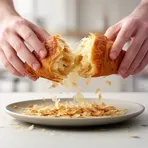
Something that breaks into thin, flat pieces, like old paint or pastry
Antonyms


How Splintery

Surface Forms
Morphology
Etymology
Slivery comes from sliver, which means 'a thin, sharp piece', like a small wood splinter. So slivery describes something made of or covered with thin, sharp pieces that can prick you.