
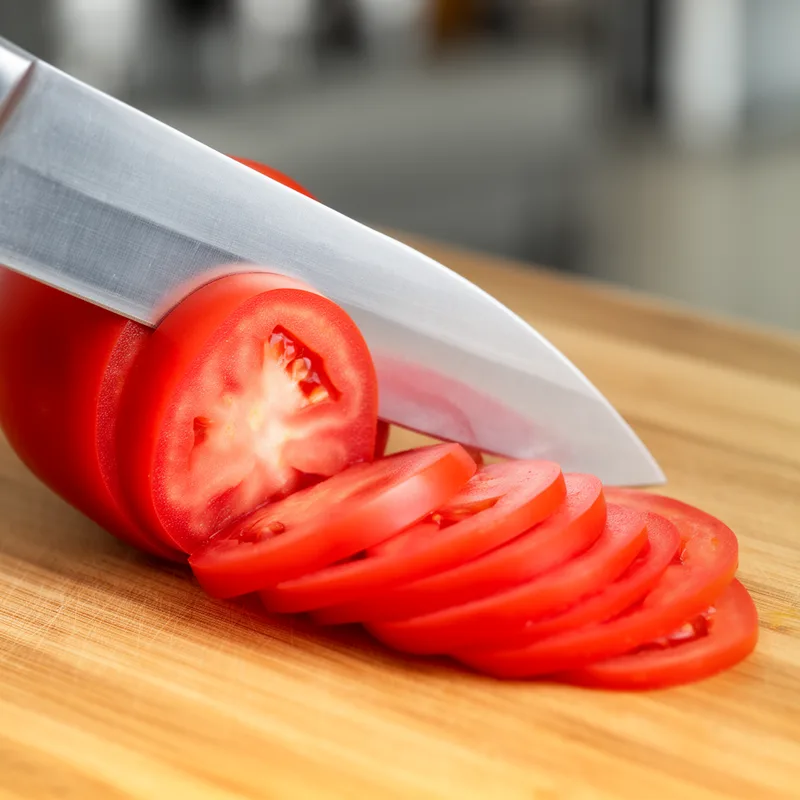
to slice up
 9
1.5
9
1.5

- phrasal verb
- /slaɪs ʌp/
- They sliced up the pie the first night you played.
- slice up the meat
- slice up an apple
- slice it up thin
Loading YouTube…
Watch on YouTubePoor banana getting sliced up for that.
- Poor banana getting sliced up for that.
- So you're, you're slicing it up.
Examples
-
Because between the making of the caramel, slicing up the apples, etc., this thing is a good amount of work.
Blog text (20) -
I often slice them up and bring them in my lunch for easy snacking.
Blog text (18) -
All right, let's slice up the rest, shall we?
-
So we're going to just simply kind of slice up just really, really small garlic close here.
-
I will slice this thing up like a ham!
-
I'm gonna slice up the turkey right here.
-
Here, clerks slice up the best smoked meat in North America.
Blog text (10) -
I cook beans and whatever grains we'll use that week, plus slice up veggies.
Blog text (6) -
I'm gonna slice up the turkey right here.
-
Henry's family sat down to Christmas dinner with their takeaway pizzas plated and sliced up.
Synonyms
 203
1.0
203
1.0
To cut something into thin flat pieces with a knife
 53
1.5
53
1.5
Cut meat into slices for serving
 25
1.9
25
1.9
Cut very thin slices from things like cheese or wood
 3
5.1
3
5.1
To break or cut something into thin narrow pieces


 1
6.0
1
6.0
To cut food into pieces with a knife
To cut meat or other food into thin slices
How Fine

Surface Forms
Morphology
slice + up
The verb 'slice' already means to cut into thin pieces and the particle 'up' here signals thoroughness or division into parts, so a learner who knows both constituents can derive 'slice up' as 'cut into slices.' This V + up construction is a common, compositional pattern in English and is therefore immediately predictable to B1 learners.
Etymology
Slice up comes from the kitchen: to slice means to cut food into thin pieces with a knife, and up gives the picture of cutting it into many parts. So, slice up means 'to cut something into slices'.