

sixth cranial nerve
- noun
- /sɪksθ ˈkreɪniəl nɜrv/
- Specialized
- During the neurological exam, the doctor tested her sixth cranial nerve function by asking her to look to the side.
Examples
-
Damage to the sixth cranial nerve can lead to double vision and difficulty moving the eye outward.
-
Tumors near the brainstem may press on the sixth cranial nerve, affecting eye movement.
-
The sixth cranial nerve is essential for eye movement.
-
Damage to the sixth cranial nerve can cause double vision.
-
The sixth cranial nerve is critical for eye movement, as it controls the muscle that allows the eye to move outward.
-
Damage to the sixth cranial nerve can lead to double vision, making it difficult to properly align the eyes.
-
An exam revealed that the patient's sixth cranial nerve was affected, causing issues with horizontal eye movement.
Synonyms
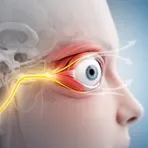
A nerve that moves the eye outward so you can look to the side

A small nerve that controls the muscle moving the eye outward

A nerve that controls the muscle that moves the eye outward

A nerve that helps move the eye outward by controlling the muscle on the side of the eye

The sixth nerve in the head that makes the eye move outward
Surface Forms
Morphology
The phrase is compositionally built from 'sixth' + 'cranial' + 'nerve', so a B1 learner who knows those words can infer it refers to the sixth nerve associated with the skull. However, the precise functional detail (that it specifically controls the lateral rectus and outward eye movement) is specialized anatomical knowledge not predictable from the constituents alone, so the transparency is only partial.
Etymology
Sixth cranial nerve works like a small rope from the brain that pulls the eye to the side. That's why if this nerve is damaged a person cannot 'move the eye outward' well and may 'see double'.

