
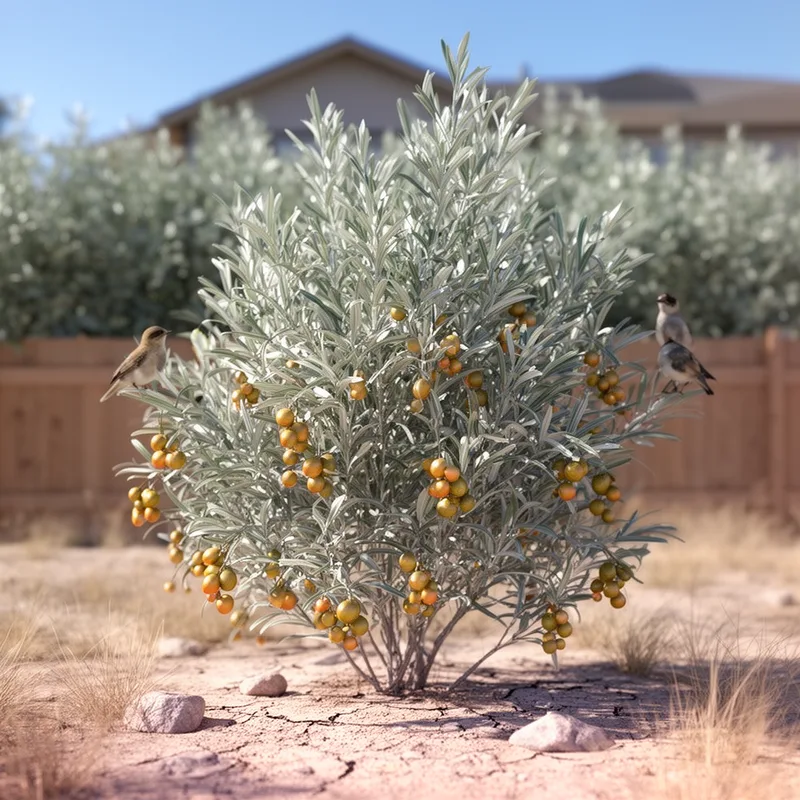
silverberry
- noun
- /ˈsɪlvərˌbɛri/
- US
- The silverberry is often used in landscaping due to its attractive foliage.
Examples
-
The silverberry shrub thrives in dry soils.
-
We planted a silverberry hedge along the edge of our property.
-
Birds are drawn to the silverberry's fruit during the late summer.
-
Many silverberries grow in the arid regions of the Southwest.
-
The silverberry shrub is known for its beautiful silvery leaves and bright fruits.
-
During our hike, we spotted a silverberry growing near the dry riverbed.
-
In the fall, the silverberry produces small fruits that are a favorite among local wildlife.
Synonyms
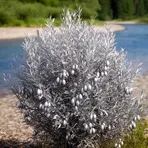
A bush with silvery leaves and fruit that grows in North America

A North American bush with silvery leaves and fruit that loses leaves in winter
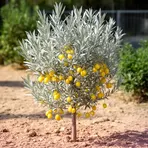
A small bush or tree with silvery leaves and small yellow fruits
Surface Forms
Morphology
Etymology
Silverberry comes from the simple English parts silver 'shiny grey metal or colour' and berry 'small fruit'. The name gives an easy picture of the plant: it has silvery leaves and small, berry-like fruits, so calling the shrub a silverberry tells you what it looks like.

