
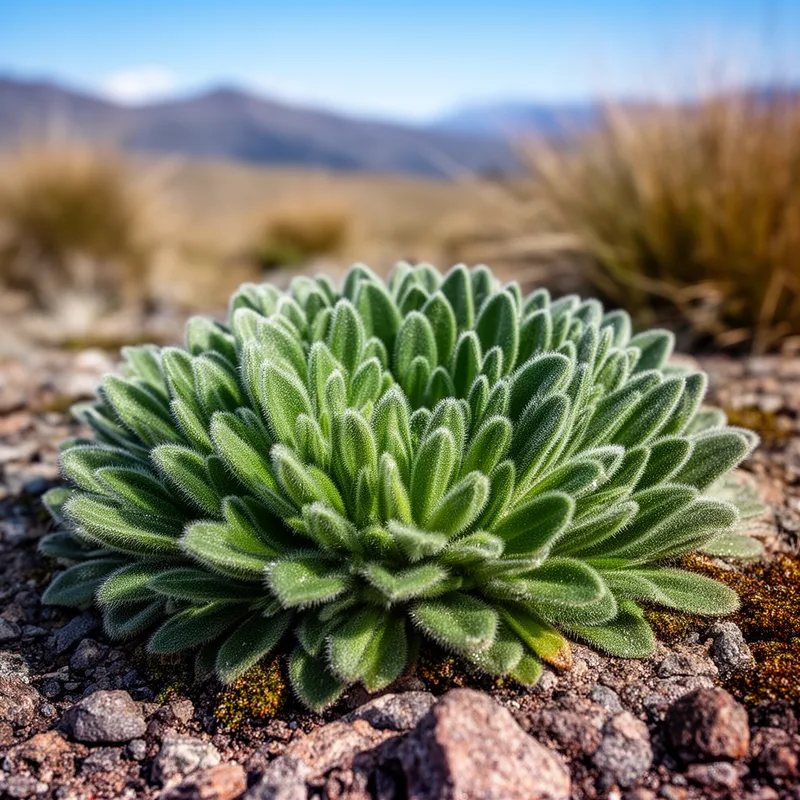
sheep plant
- noun
- New Zealand
- The sheep plant is often found in rocky areas of New Zealand, where it forms dense mats of woolly leaves.
Examples
-
The sheep plant thrives in alpine regions of New Zealand.
-
Conservationists are concerned about the declining populations of the sheep plant in its native habitat.
-
Botanists studied the distinctive hairy leaves of the sheep plant.
-
The sheep plant thrives in the New Zealand climate.
-
Many gardeners prefer sheep plants for their low maintenance.
-
In the rugged landscapes of New Zealand, the sheep plant provides a unique ground cover with its hairy foliage.
-
Gardeners appreciate the sheep plant for its resilience and its ability to thrive in harsh alpine conditions.
Synonyms

A small low plant with soft silvery leaves that forms flat mats
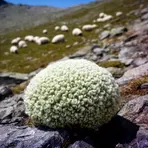
A small plant with thick woolly leaves that looks like a sheep from far away
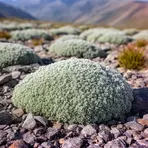
A low plant that forms woolly mats and lives for many years in New Zealand

A low plant that grows in round cushions with thick brown hairs on its leaves native to New Zealand

A low plant from New Zealand that forms a mat and looks like a small round sheep
Surface Forms
Morphology
The noun-noun compound is compositionally regular: 'plant' names the category and 'sheep' marks a relation or resemblance (e.g., woolly or associated with sheep), so a learner who knows both words can infer it is a type of plant characterized by something sheep-like. This follows common English compounding patterns and is therefore directly understandable to a B1 learner.
Etymology
The name sheep plant may come from its soft, wool-like leaves that lie in thick mats over the ground, making the plant look like a little sheep's fleece, so the parts sheep and plant create that picture. That's why the name means 'a low-growing herb with woolly leaves'.

