

Haastia pulvinaris
- noun
- New Zealand
- The dense, tawny leaves of Haastia pulvinaris help protect it from harsh mountain winds.
Examples
-
The alpine gardens displayed a remarkable specimen of Haastia pulvinaris thriving among the rocks.
-
Researchers noted that Haastia pulvinaris provides important ground cover in its native habitat.
-
The Haastia pulvinaris thrives in the unique climate of New Zealand.
-
Have you seen a Haastia pulvinaris in the wild?
-
The alpine gardens displayed a remarkable specimen of Haastia pulvinaris thriving among the rocks.
-
Researchers noted that Haastia pulvinaris provides important ground cover in its native habitat.
-
The dense, tawny leaves of Haastia pulvinaris help protect it from harsh mountain winds.
Synonyms

A low plant from New Zealand that forms a mat and looks like a small round sheep
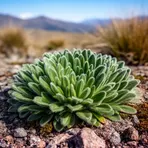
A small New Zealand plant with thick hairy leaves that form mats on the ground
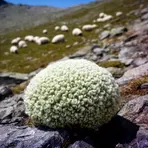
A small plant with thick woolly leaves that looks like a sheep from far away
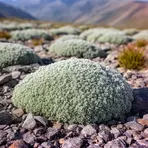
A low plant that forms woolly mats and lives for many years in New Zealand

A small low plant with soft silvery leaves that forms flat mats

A low, flat plant that grows in soft mats in New Zealand
Surface Forms
Morphology
Haastia + pulvinaris
This is a taxonomic binomial combining the genus name Haastia (a mat-forming herb) with the descriptive Latin epithet pulvinaris, which literally means 'cushion-like' or 'forming cushions'. If a learner knows both constituents, the meaning 'a cushion-forming Haastia (herb)' is directly and compositionally derivable from noun + adjective, so the expression is transparent.
Etymology
Haastia pulvinaris comes from a scientist named Haast and the Latin word pulvinaris, which means 'cushion-like'. This gives a clear picture: the plant grows in low, dense 'cushions' of tawny leaves on alpine rocks, so the name helps you remember it is a cushion-forming ground cover.

