
setose
- adjective
- /ˈsɛtoʊs/
- Specialized
- Under the microscope, the insect's setose legs were clearly visible.
Examples
-
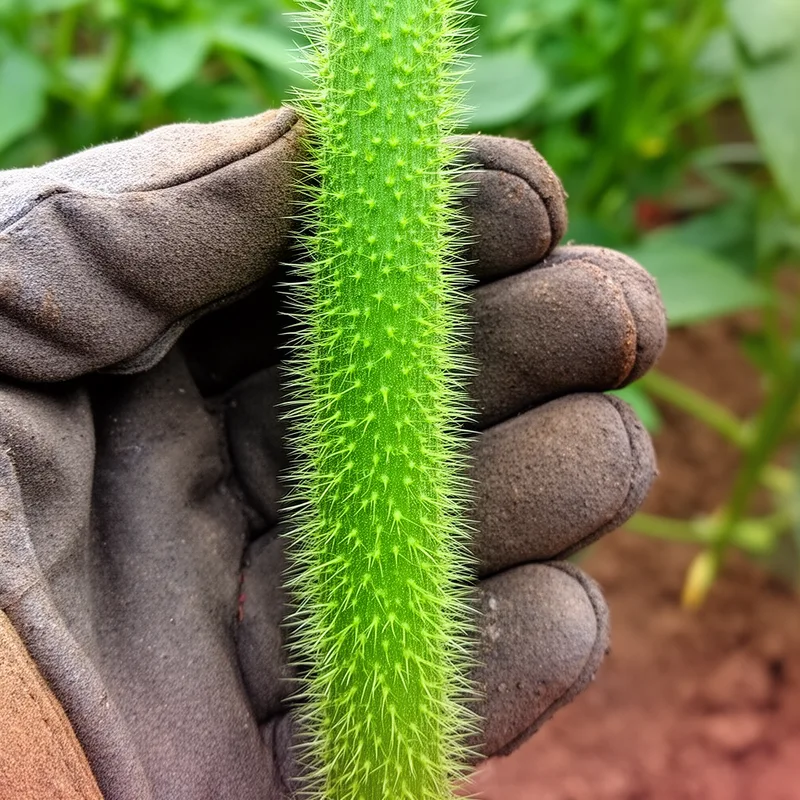
The plant's setose stems made it difficult to handle without gloves.
-
Several species of caterpillars are distinguished by their setose bodies.
-
That plant is setose!
-
The setose leaves of the plant were difficult to touch.
-
Several species of caterpillars are distinguished by their setose bodies.
-
The plant's setose stems made it difficult to handle without gloves.
-
Under the microscope, the insect's setose legs were clearly visible.
Synonyms

 1
4.6
1
4.6

Covered with short, stiff hairs that feel rough

Having many short stiff hairs like those on a brush

Covered with many short stiff hairs or small sharp points

Covered with many small sharp points like spines
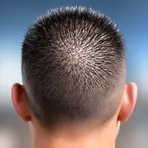
Covered with short stiff hairs that stand up
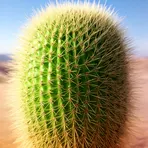
Having short stiff hairs like a brush
Antonyms

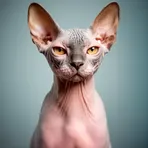
How Bristly

Surface Forms
Morphology
Etymology
Setose comes from the Latin seta meaning 'bristle' and the ending -ose meaning 'full of', so it literally means 'full of bristles'. That's why a setose plant or insect is 'bristly' or covered with small hairs.