
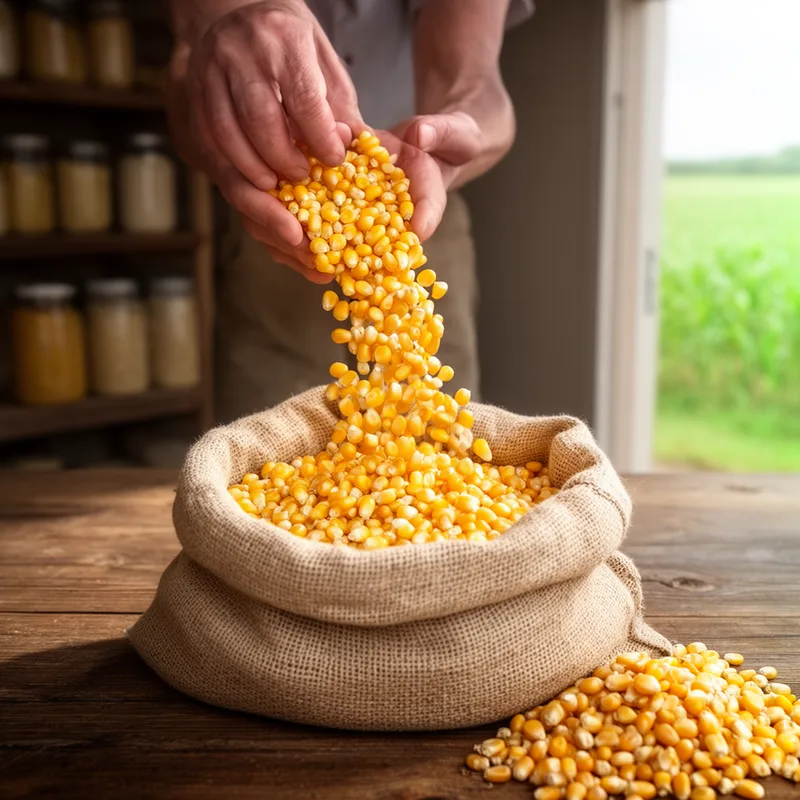
seed grain


 1
3.4
1
3.4
- noun
- Specialized
- If the seed grain is damaged or of poor quality, it could lead to a failed crop.
Examples
-
Before planting, it is vital to select high-quality seed grain to ensure a good harvest.
-
They've taken all our seed grain.
-
It might be impossible to drain off the water from the land; the horses might be too weak to plough enough; and the seed grain stored from the previous year might have been eaten up.
Academic text (1995) -
However, some of them went so far that the estate evicted them from the farms—for example, because they had sold the thatched roof, the horses (which they also had to use for corvée work), or the seed grain that the estate had perhaps given them.
Academic text (1995) -
Farmers usually store their seed grain in a cool, dry place until planting season.
Synonyms
 1
3.6
1
3.6
Seeds or tubers that farmers keep to plant next year's crops
 1
4.1
1
4.1
A seed from the cotton plant that people use to make oil, feed animals, and grow new plants
 1
4.1
1
4.1
Kernels of corn kept for planting the next crop
Antonyms


Surface Forms
Morphology
The meaning 'grain intended for planting' is transparently derived from combining 'seed' (a part of a plant that can sprout) with 'grain' (cereal seed): the compound signals grain used as seed rather than for eating. This straightforward noun+noun compositional pattern is cross-linguistically common and should be clear to a B1 learner who knows both constituents.
Etymology
Seed grain comes from farming: it names the best seed or grain kernels that farmers save for 'planting' rather than for 'eating'. That's why it means good quality seeds kept to grow the next crop.