

scotopic vision
- noun
- /ˌskɒtəpɪk ˈvɪʒən/
- Specialized
- Impaired scotopic vision makes mobility at night and in dim illumination difficult.
Examples
-
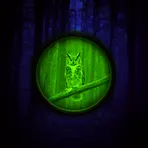
Animals, such as owls, rely on their scotopic vision to hunt effectively in the dark.
-
During the test, we evaluated how well participants could adapt to scotopic vision in near-total darkness.
-
Many nocturnal creatures have developed scotopic vision that allows them to see clearly when light is scarce.
Synonyms
 11
3.8
11
3.8

Ability to see in low light or darkness

Being able to see in low light, for example at night
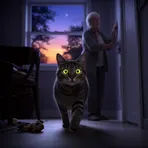
To see well in low light, for example at dusk or in moonlight
Antonyms

How Well

Surface Forms
Morphology
The meaning 'ability to see in very low light' is directly and transparently derived from combining 'scotopic' (relating to seeing in low light) with 'vision' (visual capacity). Although 'scotopic' is a technical term, the adjective+noun composition follows normal semantics, so a learner who knows both constituents would readily infer the MWE meaning.
Etymology
Scotopic vision comes from an old word for 'darkness' and gives a simple picture: scotopic means dark and vision means seeing. So it means 'ability to see in very low light'.