

scarabaeid
- noun
- /ˈskɛrəˌbeɪd/
- Specialized
- Ancient Egyptians revered the scarabaeid as a symbol of rebirth and protection.
Examples
-
Many scarabaeids are renowned for their flashy, metallic colors and unusual hornlike structures.
-
The entomologist collected several scarabaeids during his research in the rainforest.
-
Look at that scarabaeid!
-
The scarabaeid beetles are fascinating creatures.
-
Many scarabaeids play a vital role in the ecosystem by recycling nutrients in the soil.
-
The colorful scarabaeid was spotted crawling on the forest floor, showcasing its vibrant design.
-
Researchers studied the behaviors of various scarabaeids to understand their mating rituals.
Synonyms

 11
9.9
11
9.9

A large dung beetle thought to be sacred in ancient Egypt

A thick beetle with a rounded body and often horns on its head
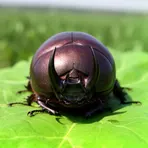
A large round beetle with a hard shell and horn-like spikes on its head
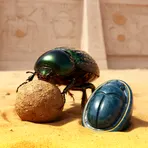
A large dung beetle that ancient Egyptians thought was sacred
Compounds
Surface Forms
Morphology
scarabaeid = scarab (semi-transparent) = scarabae + id
Built from the beetle root (scarab) plus the taxonomic suffix '-id'; the basic idea 'a scarab member' is clear but the scientific suffix is specialized and may be unfamiliar to learners.
Etymology
Scarabaeid comes from the old word scarab, the beetle famous in ancient Egypt as a symbol of 'rebirth'. The ending -eid means 'like' or 'related to', so a scarabaeid is simply a beetle 'like' a scarab, which explains its use for those stout, often horned beetles.