
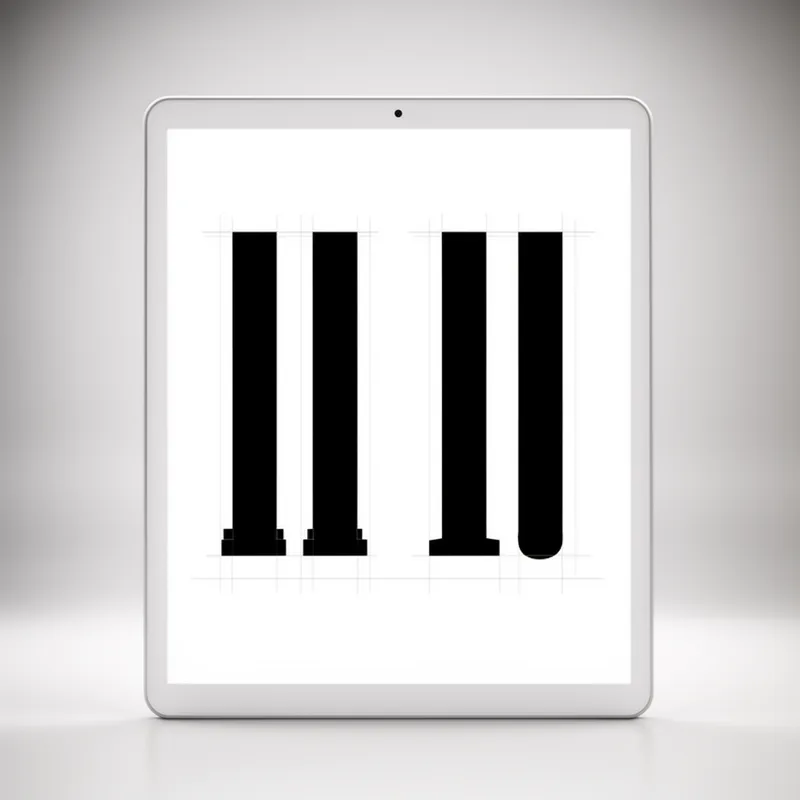
sans serif
 2
3.9
2
3.9

- noun
- /sæn ˈsɛrɪf/
- Specialized
- For her presentation, she chose a modern sans serif typeface to give it a contemporary feel.
- sans serif font
- sans serif markings
Loading YouTube…
Watch on YouTubeI don't know, but sans serif is like Apple's text where it's just the A and like shit like that.
- I don't know, but sans serif is like Apple's text where it's just the A and like shit like that.
Examples
-
Use a sans serif font (e.g., Arial) for labels on the figures.
Academic text (2002) -
There I was in lovely sans serif type, blue on blue.
Fiction book (1996) -
Type in bold colors; large, condensed, sans-serif letters on a bright background.
Blog text (13) -
The participants also preferred the sans serif fonts.
Academic text (2007) -
For example, serif fonts, particularly small ones, are read easily compared to sans-serif fonts.
Blog text (27) -
For short messages, there may be no difference in information recall between serif and sans serif fonts.
Academic text (2005) -
A logo had two fonts, one sans serif and one serif, with the color and white space reversed in two separate words.
Academic text (2014) -
The typeface is a condensed sans serif with a slight shadow on the right, suggesting movement.
Blog text (19) -
Bank Chambers in Haringey, north London, suggests solidity with its bold square sans serif.
Blog text (19) -
On the front, it read "STEPHEN L. BURNS & SUE-RYN HILDENBRAND BURNS" in a nice sans-serif font.
Fiction book (1999)
Synonyms
 6
7.7
6
7.7
A font without small lines at the ends of letters like Arial
How Readable

Surface Forms
Morphology
The phrase literally combines 'sans' (without) and 'serif' (small decorative strokes on letters), so its meaning 'without serifs' is directly derivable from the constituents. This compositional pattern (negator + noun) is straightforward and cross-linguistically common, making it immediately comprehensible to a learner who knows both words.
Etymology
Sans serif comes from the French word sans, which means 'without', and serif, the name for the small strokes or 'little feet' at the ends of letters. So, sans serif means 'letters without those little lines', giving a clean, simple look.