

sanicle
- noun
- /ˈsænɪkəl/
- Specialized
 :
sanícula
:
sanícula
- The old herbalist collected sanicle in the woods for its reputed medicinal effects.
Examples
-
Some traditional remedies use extracts from sanicle leaves to promote healing.
-
Clusters of sanicle blooms brightened the edges of the forest trail in spring.
-
The sanicle is often found in damp woodlands.
-
Many herbalists use sanicle for its medicinal properties.
-
The herbalist recommended sanicle as a natural remedy for minor wounds.
-
In traditional medicine, sanicle is known for its soothing properties and is often used in herbal teas.
-
Botanists study sanicle for its distinct lobed leaves and small clustered flowers in woodland ecosystems.
Synonyms



 1
9.9
1
9.9
A woodland plant with small clustered flowers once used to treat snake bites

A group of small wild herb plants in the carrot family found in North America and Eurasia

A group of herb plants that live for several years in the parsley family, mainly from North America
Compounds

A small flowering plant with white or pale pink flowers that grows in Europe and Asia
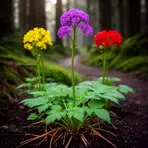
A plant that lives for more than one year with small groups of yellow, red or purple flowers

- Specialized
A small wild plant with flat clusters of white flowers that grows in woods
How Medicinal

Surface Forms
Etymology
Sanicle comes from the Latin word sanus, meaning 'healthy', and the older form sanicula meant 'little healer'. It shares the same root as common words like sane and sanitary, and because people long ago used the plant to help heal, the name reminds us of its healing use.