

sand reed
- noun
- UK
- The sand reed is often found stabilizing dunes along the coast.
Examples
-
Some herbalists use extracts from the rootstock of sand reed for medicinal purposes.
-
Scientists studied the spread of sand reed in its new habitats along the eastern seaboard.
-
The sand reed grows abundantly along the coast.
-
Many sand reeds thrive in sandy soils.
-
The sand reed is often found stabilizing dunes along the coast.
-
Some herbalists use extracts from the rootstock of sand reed for medicinal purposes.
-
Scientists studied the spread of sand reed in its new habitats along the eastern seaboard.
Synonyms
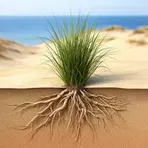
A grass-like plant that grows in sand near the sea and helps hold sand on dunes

A grass-like plant that grows in sandy places like coastal dunes and helps hold the sand
Surface Forms
Morphology
The compound is a straightforward modifier+noun construction: 'sand' describes the habitat/quality of the 'reed', so a learner who knows both words will infer it is a reed that grows in sandy/coastal areas. The botanical specifics (European origin, sarsaparilla-like rootstock) are additional details but do not prevent the overall meaning from being transparently derived from the constituents.
Etymology
Sand reed comes from a simple picture: a reed that grows in sand near the sea, with long stems and spreading roots that hold the sand in place. So, because the plant helps 'stabilize dunes' and its roots were used in 'traditional medicine', the name points to both where it grows and how people used it.

