
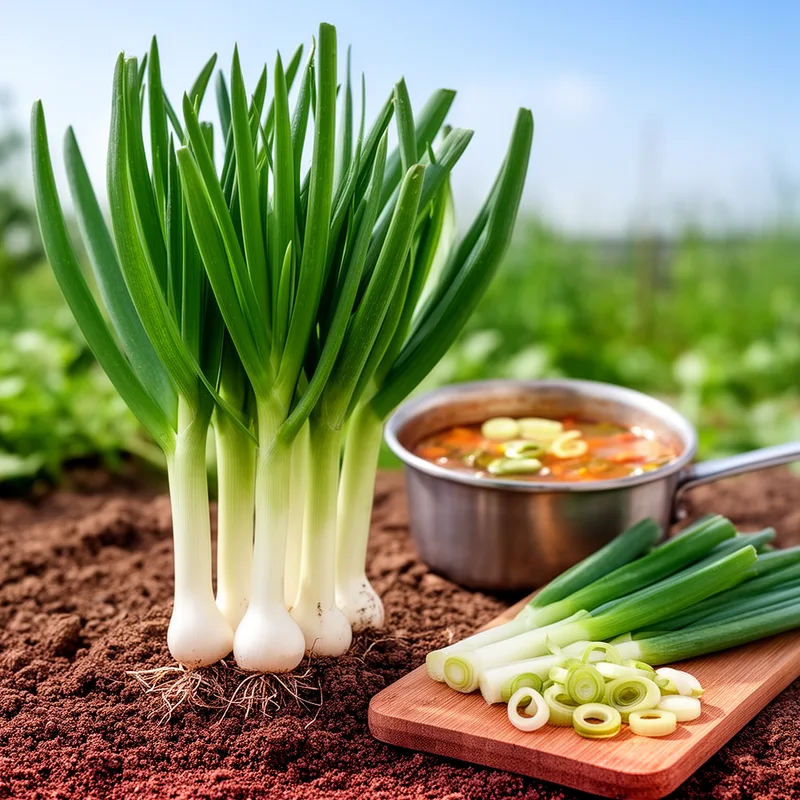
sand leek
- noun
- UK
- The sand leek is often grown for its edible stems and leaves.
Examples
-
I bought some sand leeks from the farmer's market.
-
Unlike common leeks, sand leek has a slightly stronger flavor.
-
After harvesting, she used sand leek in a traditional stew recipe.
-
The sand leek is often used in salads.
-
After harvesting, she used sand leek in a traditional stew recipe.
-
The sand leek is often grown for its edible stems and leaves.
-
Unlike common leeks, sand leek has a slightly stronger flavor.
Synonyms

 22
1.0
22
1.0

A long vegetable with a white stem and green leaves used to add mild onion flavor to food

A European wild leek that people use like common leeks in cooking

A large vegetable like a leek with a mild garlic taste

A European variety of leek with a mild taste used in cooking

A kind of garlic with a mild, sweet taste

A long, thin green onion with a mild taste used in cooking

A wild plant with an edible bulb and leaves that smell like onions
How Edible

Surface Forms
Morphology
The compound is directly compositional: 'sand' modifies 'leek' to signal a leek-like plant associated with sandy habitats or soil, so a learner who knows both words can infer it is a variety/type of leek used like leeks. Noun+noun compounding of this sort is regular in English and cross-linguistically common, making the meaning predictable for a B1 learner.
Etymology
Sand leek gets its name from where it grows: wild leeks that grew in sand near the coast, so people used the picture of sand and leek to name it. So today sand leek means 'a leek-like plant' that grows in sandy soil and is eaten.