
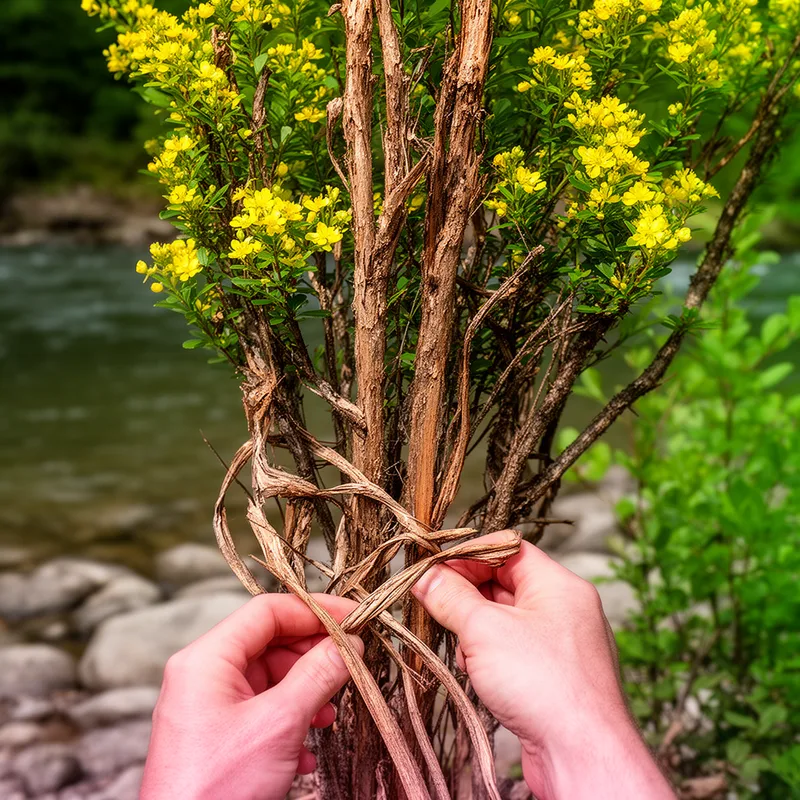
ropebark
- noun
- Specialized
- In spring, the ropebark produces small yellow flowers that attract pollinators.
Examples
-
The tough bark of the ropebark shrub was once used to make cords and rope.
-
Botanists studying eastern forests often encounter the distinctive ropebark along riverbanks.
-
The ropebark is often used in landscaping.
-
Have you seen a ropebark growing in the wild?
-
In spring, the ropebark produces small yellow flowers that attract pollinators.
-
Botanists studying eastern forests often encounter the distinctive ropebark along riverbanks.
-
The tough bark of the ropebark shrub was once used to make cords and rope.
Synonyms


 1
9.9
1
9.9
A small bush with flexible branches, thin bark, and small yellow flowers

A small shrub from eastern North America with flexible branches and small yellow spring flowers

A small bush with flexible branches and yellow spring flowers
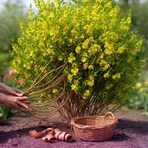
A bush that has flexible branches, small yellow flowers, and bark used for basket making
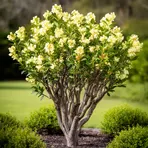
A small tree or bush with tough branches and noticeable flowers
Surface Forms
Morphology
Etymology
Ropebark comes from the simple parts rope and bark, because people once used the plant's flexible bark to make 'rope' and cords, especially along streams and riverbanks. So the name shows that this shrub has strong, bendy bark that was useful for making rope.