
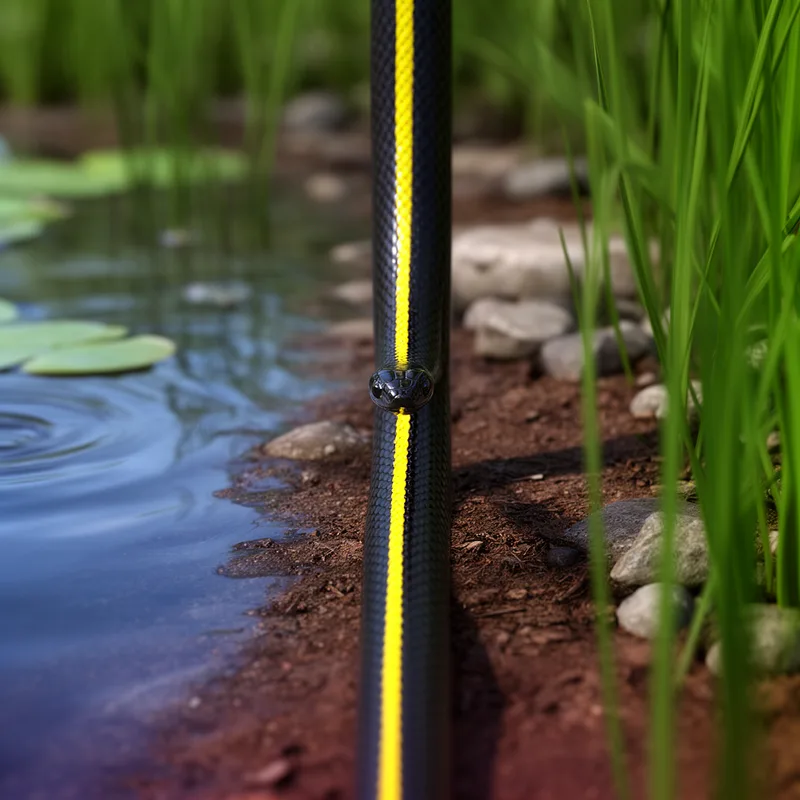
ribbon snake
- noun
- /ˈrɪbən seɪk/
- US
- We saw a ribbon snake sliding quickly along the edge of the pond.
Examples
-
A ribbon snake is harmless to humans and helps control insect populations.
-
The biologist explained how the ribbon snake differs from other garter snakes.
-
I spotted a ribbon snake near the pond.
-
The ribbon snake slithered gracefully through the grass.
-
During our hike, we spotted a ribbon snake sunbathing on a rock by the riverbank.
-
The local wildlife expert identified the ribbon snake as a non-venomous species that thrives in wetland habitats.
-
While kayaking, I noticed a ribbon snake swimming gracefully beside us in the clear water.
Synonyms
 4
3.8
4
3.8

A common North and Central American snake that is not venomous and has long stripes
A thin North American snake with yellow stripes on its sides that lives near water

A harmless snake with yellow or red stripes often found near ponds and streams
A thin North American snake with yellow or red stripes that is not poisonous and often lives near water
Surface Forms
Morphology
The compound is directly compositional: 'ribbon' describes shape/appearance and 'snake' names the animal, so a learner who knows both words will infer it is a kind of snake that is ribbon-like (slender and likely striped). While they may not know the specific species (garter snake) or habitat details, the basic meaning is predictable from the constituents.
Etymology
Ribbon snake The name ribbon snake comes from the animal's long, thin body and a bright stripe that looks like a ribbon on a snake. That's why the name means a 'small, yellow-striped snake' often seen near water.