
reproductive structure


 1
5.8
1
5.8
- noun
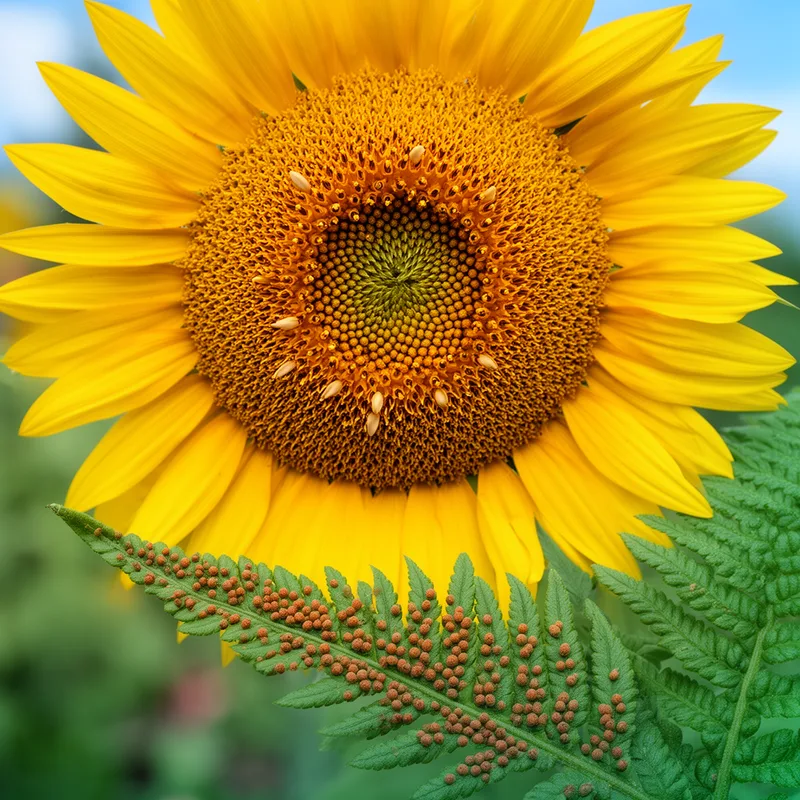
- The flower is the most visible reproductive structure of the plant, attracting pollinators.
- sexual reproductive structures
Loading YouTube…
Watch on YouTubeMushrooms are the reproductive structures of a small group of, well, a large group, but a small, proportionally small group of fungi.
- Mushrooms are the reproductive structures of a small group of, well, a large group, but a small, proportionally small group of fungi.
Examples
-
Seeds are an essential reproductive structure that allows plants to propagate into new areas.
-
Mushrooms are the reproductive structures of a small group of, well, a large group, but a small, proportionally small group of fungi.
-
In contrast, reproductive structures in EM fungi and spores in AM fungi (Figure 3e, 3f) only consume plant carbon and never supply nutrients or water to the host.
Academic text (2006) -
Botanists study the reproductive structures of plants to understand how they reproduce.
Synonyms
 11
3.1
11
3.1
An organ that makes eggs or sperm, like ovaries, testes, and flower parts
 4
7.1
4
7.1
The part of a flower that makes pollen
 1
1.0
1
1.0
A small part on a plant that will become a flower, not a leaf
 1
4.1
1
4.1
The part inside a flower that holds tiny egg cells and later becomes the fruit
 1
7.8
1
7.8
A small part in plants and animals that holds an egg cell and becomes a seed or egg after fertilization
 1
6.5
1
6.5
A part of some fungi and plants that makes and releases spores

A structure in mosses and ferns that makes sperm cells

A small bag on a plant or fungus that holds tiny parts for making new plants

A plant part, often on mosses or ferns, that makes tiny dust-like spores
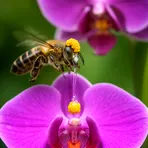
A part of some flowers that sticks to insects and carries pollen to make seeds

The part of a plant that holds the small parts that grow into new plants after flowering
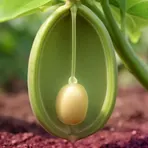
A thin stalk that connects a developing seed to the parent plant

A thin stalk that connects a seed to the inside of a fruit
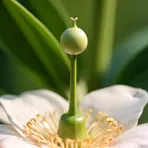
A stalk that lifts the female part of a flower above its base
Surface Forms
Morphology
The meaning 'a part of a plant involved in reproduction' is directly and compositionally derived from 'reproductive' (relating to generating offspring) modifying 'structure' (a built/organized part). This adjective+noun pattern is transparent and cross-linguistically common, so a B1 learner who knows both words should be able to infer the MWE's meaning.
Etymology
Reproductive structure combines reproductive (making seeds or spores) and structure (a plant part) to name a part of a plant, like a flower, fruit, or the part that makes spores, which helps the plant 'reproduce'.