

rattlesnake's master
- noun
- /ˈrætəlˌseɪks ˈmæstər/
- US
- Botanists identify rattlesnake's master by its spiky leaves and distinctive flower heads.
Examples
-
Many early settlers believed rattlesnake's master could be used as an antidote for snake bites.
-
The prairie was dotted with tall stalks of rattlesnake's master among the grasses.
-
The rattlesnake's master is often used in herbal medicine.
-
Many people believe the rattlesnake's master can help with snake bites.
-
Many early settlers believed rattlesnake's master could be used as an antidote for snake bites.
-
Botanists identify rattlesnake's master by its spiky leaves and distinctive flower heads.
-
The prairie was dotted with tall stalks of rattlesnake's master among the grasses.
Synonyms

A tall, prickly plant with round flowers that people once used to treat snakebites

A tall, prickly prairie plant once used in folk medicine for snake bites
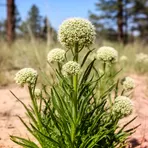
A coarse prickly plant from the United States that lives for many years and has round flower heads
Surface Forms
Morphology
rattlesnake's + master
A B1 learner who knows 'rattlesnake' and 'master' would most likely interpret 'rattlesnake's master' as a person who controls or is an expert with rattlesnakes (i.e. a human agent), not as the name of a prickly perennial plant. The plant name is a lexicalized, culture-specific botanical term whose meaning (a species of Eryngium believed to cure bites) cannot be predicted from the literal constituents, so it is opaque to learners.
Etymology
Rattlesnake's master was named by people long ago who believed the spiky plant could stop a rattlesnake's poison and so master the snake. That's why the name points to a plant once thought to 'cure' snake bites.

