
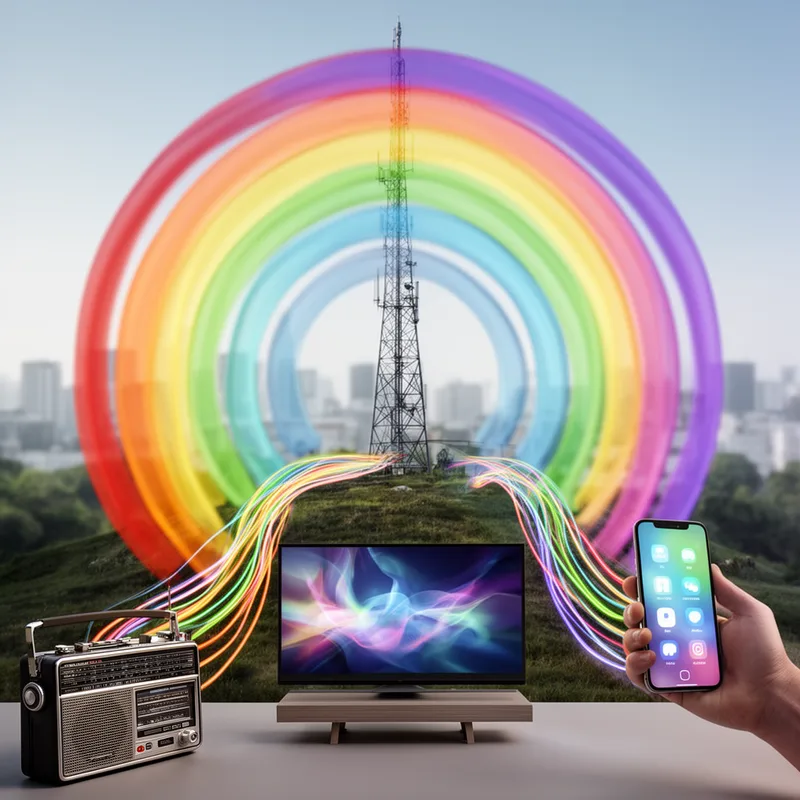
radio-frequency spectrum
- noun
- /ˈreɪdioʊ ˈfrikwənsi ˈspɛktrəm/
- Specialized
- Mobile phones rely on access to the radio-frequency spectrum to connect users wirelessly.
Examples
-
The engineers studied the radio-frequency spectrum to improve wireless communication systems.
-
Allocating the radio-frequency spectrum efficiently is crucial for new technologies like 5G and satellite communication.
-
The government regulates the radio-frequency spectrum to prevent interference between different broadcasters.
-
The radio-frequency spectrum is essential for modern communication.
-
Have you studied the radio-frequency spectrum in your physics class?
-
The FCC regulates the radio-frequency spectrum, allocating frequencies for various forms of communication.
-
Understanding the radio-frequency spectrum is essential for developing new technologies like 5G networks.
Synonyms
 66
4.8
66
4.8

A range of radio waves used for signals
 2
4.2
2
4.2
A range of radio waves used for one purpose, like TV or radio
 1
5.4
1
5.4
A range of radio waves used to send TV, phone, and Wi‑Fi signals
 1
3.7
1
3.7
The radio and television signals that carry programs to many people

 1
7.0
1
7.0
A range of radio waves used to send signals like TV or radio
Surface Forms
Morphology
radio-frequency + spectrum
The phrase is directly compositional: 'spectrum' means a range and 'radio-frequency' (radio + frequency) specifies the portion of the electromagnetic range used for radio/wireless services. This modifier+noun structure is transparent and cross-linguistically common, so a B1 learner who knows the constituent words can reliably infer the meaning.
Etymology
The term radio-frequency spectrum comes from the old idea of spectrum, which first meant the range of colours in a rainbow. People started to use spectrum for any 'range', and added radio and frequency to show what kind of range. That's why radio-frequency spectrum means 'the range of radio signals used for wireless communication'.