
racemic acid


 1
7.9
- noun
- /rəˈsiːmɪk ˈæsɪd/
- Specialized
- Pasteur studied racemic acid to understand the phenomenon of optical isomerism.
Examples
-
The chemical properties of racemic acid differ from those of optically active tartaric acid.
-
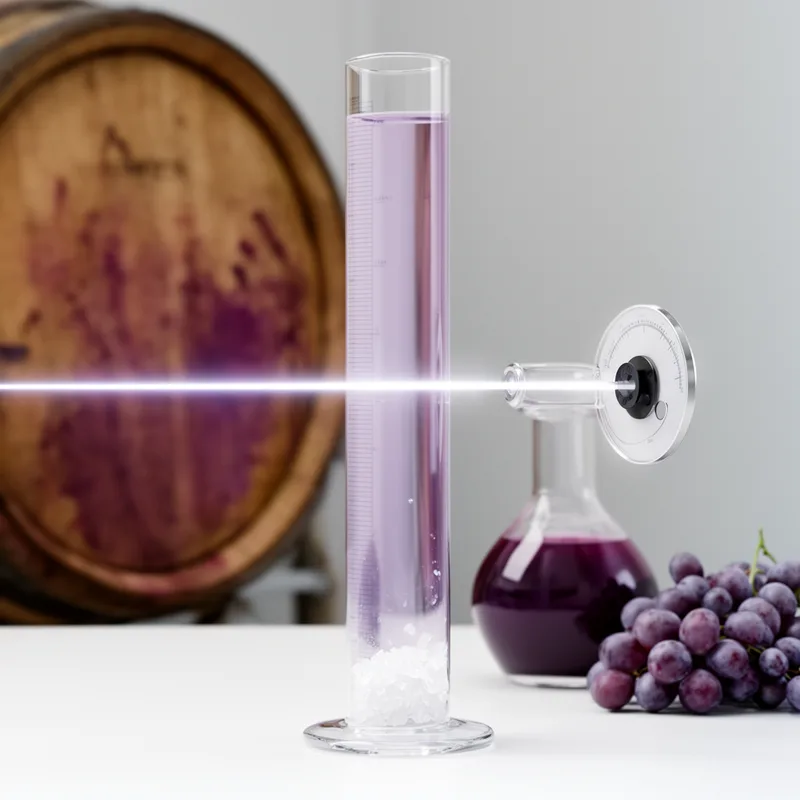
Many winemakers are aware that racemic acid can form in old barrels of grape juice.
-
Many students learn about racemic acids in their chemistry classes.
-
Is racemic acid commonly found in natural products?
-
Many winemakers are aware that racemic acid can form in old barrels of grape juice.
-
The chemical properties of racemic acid differ from those of optically active tartaric acid.
-
Many students learn about racemic acid in their chemistry classes.
Surface Forms
Morphology
The term is compositionally transparent: 'racemic' (having equal left- and right-handed forms) modifies 'acid', so the phrase simply denotes an acid that is racemic (i.e., optically inactive). Although 'racemic' is a technical word, the MWE's meaning is directly derivable from the constituent meanings, so a learner who knows both words can understand it.
Etymology
Racemic acid gets its name from the Latin word 'racemus', meaning 'bunch of grapes', because chemists first found this mixture in grape juice and Louis Pasteur studied it. It is a mix of two mirror-image forms that cancel each other out so the substance does not rotate light, so the name refers to the 'optically inactive' form of tartaric acid.