
pulse modulation
- noun
- /pʌls ˌmɒdʒʊˈleɪʃən/
- Specialized
- In modern telecommunications, pulse modulation allows for the efficient encoding of data by varying the signal's amplitude.
Examples
-
The audio engineer explained that pulse modulation is essential for transmitting sound signals over long distances.
-
"A control board delivers high-frequency pulse modulation to slow them down or speed them up, and the patient can control the amount of signal delivered," Walker said.
Academic text (2008) -
During the lecture, the professor described how pulse modulation helps in maintaining signal clarity in broadcasting.
Surface Forms
Morphology
The noun is transparently compositional: it literally denotes the modulation (changing of a signal) applied to pulses, so a learner who knows 'pulse' (brief electrical change) and 'modulation' (changing signal properties) can infer the basic meaning. While technical details (which pulse parameter is varied) require domain knowledge, the core concept is directly derivable from the constituents and mirrors similar compounds in other languages.
Etymology
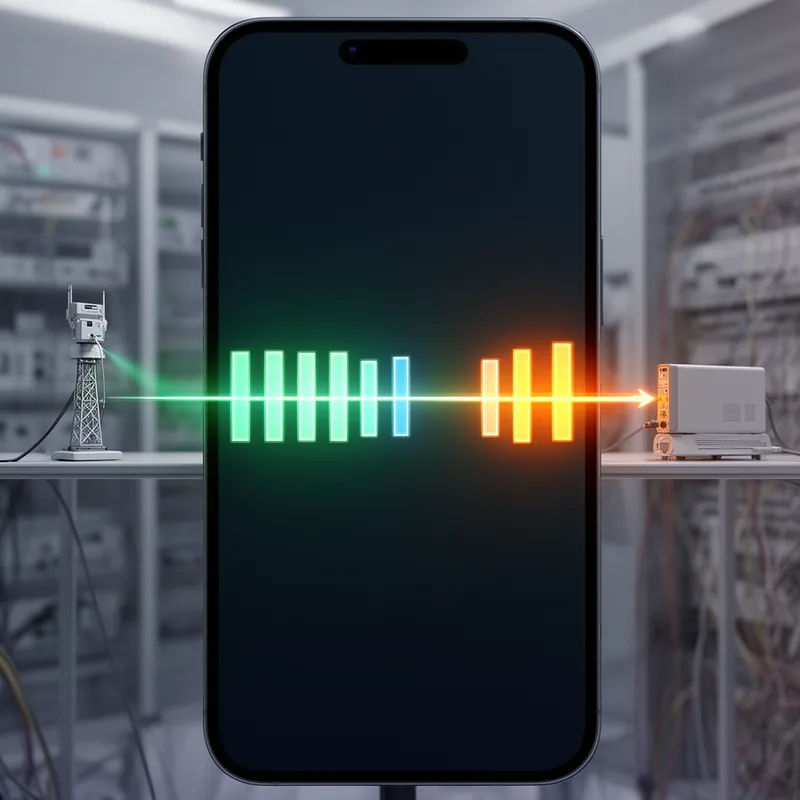
Pulse modulation comes from the image of sending messages with a blinking light. You change the length, size or timing of each pulse, a short on/off signal, so the pattern can 'encode information' and carry data.

