
prussic acid
- noun
- /ˈprʌsɪk ˈæsɪd/
- Archaic
Examples
-
Before downing the deadly draught of prussic acid, he had written out
Fiction book (1995) -
This prussic acid solution is highly effective for fumigation due to its potent toxicity.
-
Chemists use prussic acid in organic synthesis, but it is crucial to handle it with care because of its deadly properties.
-
Farmers must be aware that certain plants can yield prussic acid, which can be dangerous to livestock.
Synonyms


 1
9.9
1
9.9
A very poisonous gas called hydrogen cyanide

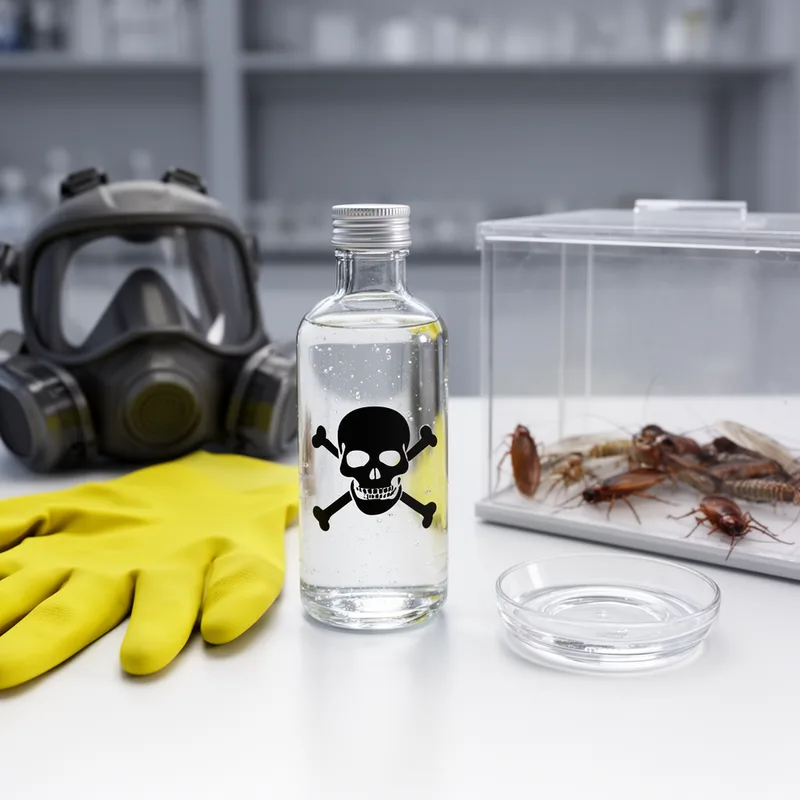
A very poisonous liquid used to kill pests and make other chemicals
Surface Forms
Morphology
The element 'prussic' is a specialized, historically derived chemical name with no clear meaning for an average B1 learner, while 'acid' is a general noun; together they form a fixed chemical name (hydrocyanic/prussic acid) whose specific identity and high toxicity are not predictable from the parts. Because the compound is a conventional technical term rather than a transparent composition, learners who only know the constituents would not reliably infer its meaning.
Etymology
Prussic acid was named after 'Prussian blue', a deep blue dye first made in old Prussia. Chemists found a chemical from that blue and later used the name prussic acid for 'hydrogen cyanide', so the name now means 'a very poisonous acid'.