
prussic


 1
9.9
1
9.9
- noun
- /ˈprʌsɪk/
- Archaic
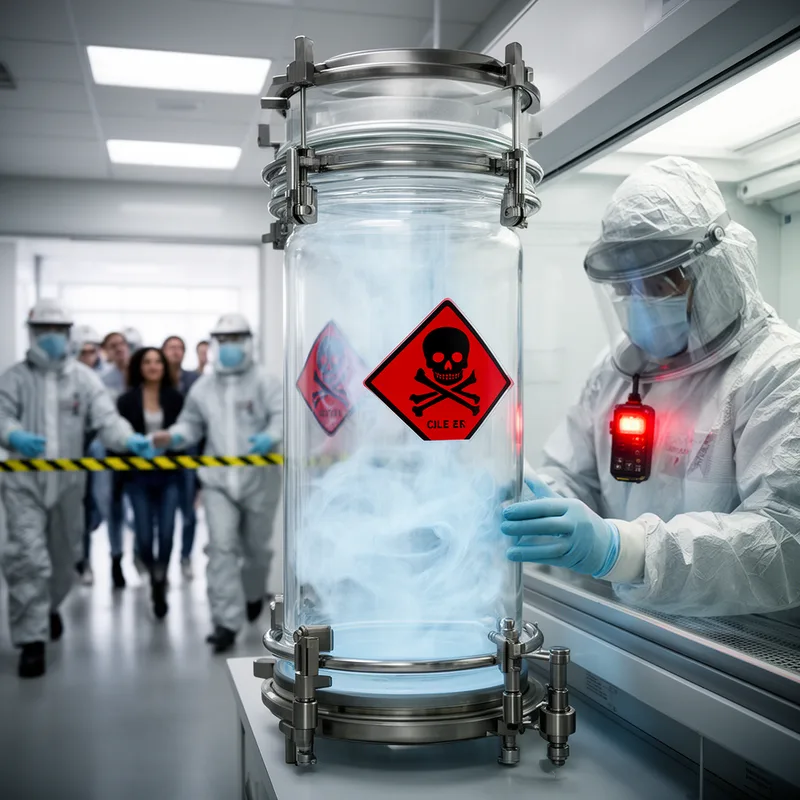
- Accidental exposure to prussic can be fatal within minutes if not treated immediately.
- prussic acid
Examples
-
Be careful; prussic acid can evaporate quickly!
-
Emergency crews evacuated the area after detecting prussic in the air.
-
The laboratory stored prussic in tightly sealed containers due to its extreme toxicity.
-
The laboratory handled prussic acid with extreme caution.
-
Bitter almonds contain traces of prussic acid when raw and are used only for almond oil and extract.
-
In a chemical demonstration, the professor carefully handled the prussic acid to show its volatile nature.
-
The warning label clearly states that prussic acid can be deadly if ingested or inhaled.
Synonyms
 1
7.5
1
7.5
A very poisonous liquid or gas that smells of bitter almonds and can kill if breathed in
A very poisonous liquid made from hydrogen cyanide and water used to kill pests
Compounds
- Archaic
A very poisonous liquid made from hydrogen cyanide and water used to kill pests
Surface Forms
Morphology
prussic = prussic acid (opaque) = pruss + ic
The noun is essentially a clipped form of 'prussic acid' (a compound); the chemical meaning cannot be inferred from the place-name element or the suffix.
Etymology
Prussic comes from the same story: it was named after Prussian blue, the blue dye made in old Prussia. That is why prussic now means the deadly liquid or gas 'hydrogen cyanide'.