to primp

to primp

8 7.2
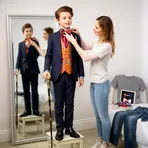
To get ready by fixing your clothes, hair, or makeup carefully
  • verb
  • /prɪmp/
  • Informal
translation icon : arreglarse
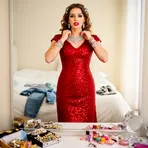
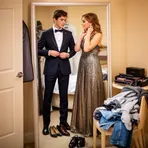
  • Before the party, she took hours to primp, making sure her hair and makeup were perfect.
  • primping her hair
  • spend an hour primping
  • primping in the mirror

Examples

  • Later, the women will primp and groom while the men play football.

  • She'd primped her hair, and Ahmo could see a trace of makeup on her blanched face.

    Fiction book (1999)
  • "Stand up and primp, ladies, we're gonna get real artistic with Junior," Paul began to snap.

    Fiction book (1993)
  • "As we primp at the mirror, we hear the balls rolling down the lanes toward the pins."

    Fiction book (2000)
  • Wherever there is a mirror, a guest stands before it primping.

    Fiction book (1992)
  • Mrs. Ireland's been primping since breakfast.

  • Kimberly looks at her reflection and primps her hair.

    Fiction book (1995)
  • Posing and primping in front of their mirrors, Hisako's mother and sister paid little attention to anyone or anything.

    Fiction book (2000)
  • In the studio, John Barrett grabbed a sip of water, and Ali Downs primped, looking into the little round mirror.

    Fiction book (1992)
  • Mrs. Southard scoots across the kitchen and wipes her hands on a dish rag, then primps her hair.

    Fiction book (1994)

Synonyms

to dress
vsto primp
1.0

To put clothes on yourself or someone else

is narrower, stressing ornate grooming and sometimes excessive fussiness
to dress up
vsto primp
12 2.9

Make something look better than it really is
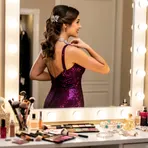
focuses on personal grooming with elaborate and sometimes excessive detail
to gussy
vsto primp
  • Informal
8 8.7

Make something or someone look fancier by adding decorations

is about personal grooming with a stronger sense of excess
to pretty up
vsto primp
  • Informal
6 4.3

Make people and places look nicer by dressing up, adding decorations, or using makeup
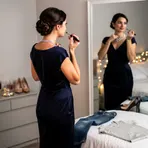
adds a greater sense of elaborate, sometimes excessive, personal grooming
to gussy up
vsto primp
  • Informal
5 8.6

To dress or decorate in a fancy way to look nicer

is similar but often describes self grooming done with excess
to tart
vsto primp
  • UK
4 6.9

To make something look showy to attract attention
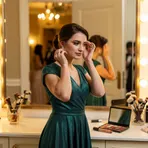
is similar but can feel slightly less tasteless and more fussy than merely flashy
to doll up
vsto primp
  • Informal
1 7.2

To dress up and make yourself look attractive for a special event

leans more toward elaborate, sometimes excessive, grooming rather than neatness
to glam up
vsto primp
  • Informal
1 6.8

Make yourself or someone more stylish using clothes and makeup

emphasizes fussiness and excess in grooming rather than general glamour
to preen
vsto primp
1 7.0

To dress and arrange your hair carefully to look good

adds a stronger sense of excessive or fussy ornamentation
to tart up
vsto primp
  • UK
1 8.9

To make something or someone look bright and showy to attract attention

shares showiness but emphasizes fussiness and excessive grooming rather than tastelessness
to plume
vsto primp
  • Literature
1 7.9

To dress or groom yourself with great pride and care
leans more toward fussy, excessive attention to small appearance details
to prim
vsto primp
1 8.1

To act or dress in a very formal, proper way
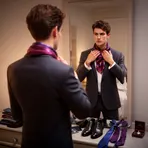
concerns ornate personal grooming aimed at attractiveness rather than mere formality
to prink
vsto primp
  • Archaic
9.9

To dress carefully to look fancy

is similar but focuses more on excessive grooming and affectation
to gussie
vsto primp
  • Informal
9.9

To make a person or thing look fancy, often in a showy way

focuses more on personal, often excessive, dressing and grooming
to tittivate
vsto primp
9.9

To make something or yourself look neat and attractive

is more about ornate grooming and showing off rather than simple neatness
to slick up
vsto primp
  • Informal
6.8

Make a person look neat and more attractive by dressing and grooming them carefully

tends to be more fussy and excessive in personal appearance
to fancy up
vsto primp
  • Informal
6.5

Make something look more stylish and attractive

pushes that elaboration toward excessive fussiness in self grooming
to deck up
vsto primp
  • Informal
8.2

To put on special clothes to look nice for an event
includes extra grooming and showy detail beyond just special clothes
to tog up
vsto primp
  • UK
9.4

To put on special clothes to look attractive for an event

is similar but highlights ornate grooming as well as clothing
to fig up
vsto primp
  • UK
9.9

To put on fancy clothes to look good

adds more fuss and excessive attention to appearance beyond clothes
to dandify
vsto primp
  • Archaic
9.6

To dress someone or make them act in a showy, fashionable way

is more personal and fussy, often with excess in grooming
to prim out
vsto primp
9.3

To dress in very neat, formal clothes to look too proper

is more about ornamental grooming and showy attractiveness than strict formality
to prim up
vsto primp
7.6

To dress neatly and formally for an event

adds a greater sense of decorative fuss and excessive grooming
to dizen
vsto primp
  • Archaic
9.9

To dress or decorate in a very bright way to get attention

is closer to fussy, ornate grooming that may not be intentionally tasteless

Antonyms

100 3.5

Not caring for someone or something that needs care

2 8.1

To make someone's hair or clothes look untidy

How Groomed

to primp
  • Informal
8 7.2
to preen
1 7.0
to doll up
  • Informal
1 7.2
to groom
40 2.3

Surface Forms

primp infinitive
primped past
primped past participle
primping present participle
primps third person singular

Morphology

primp = prim (semi-transparent) = prim + p

Derived from the adjective 'prim' with an archaic frequentative-like suffix '-p'; the link to 'prim' is clear but the precise grooming sense is specialized.

Etymology

Primp comes from the English word prim, which means 'neat' or 'proper'. A helpful way to remember it is to think of 'making yourself prim'—adjusting your hair and clothes with extra care—so primp means to dress or groom carefully, often too much.