
preconcentration
- noun
- /ˌpriːˌkɒnsənˈtreɪʃən/
- Specialized
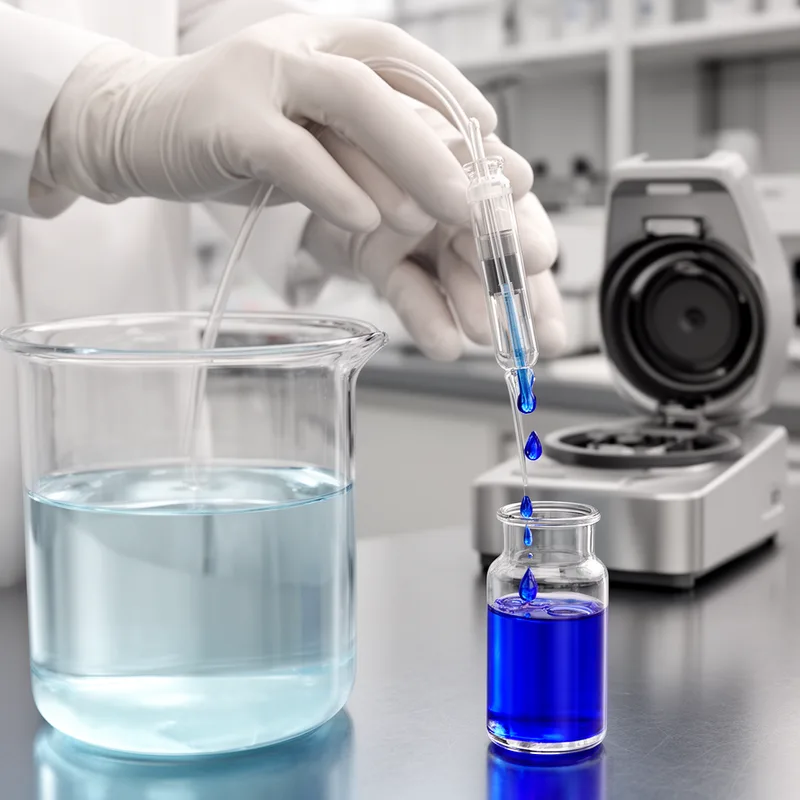
- Before testing, the scientists used preconcentration to ensure the samples contained a higher level of the substance being analyzed.
- preconcentration column
Examples
-
Elution of the radionuclides was carried out by diverting the mobile phase via the preconcentration column to the analytical column.
Academic text (2018) -
At the beginning of an HPIC run, the preconcentration column and the analytical column were equilibrated with 15 mL of 0.5 M hydrochloric acid and mobile phase A, respectively.
Academic text (2018) -
Direct introduction of a large volume of a raw urine sample to the HPIC system would irreversibly damage the preconcentration, the guard, and the analytical columns.
Academic text (2018) -
The environmental researchers applied preconcentration techniques to improve the detection of pollutants in water samples.
-
To enhance accuracy in their results, the team conducted preconcentration of the chemical compounds prior to the experiment.
How Concentrated


Surface Forms
Morphology
preconcentration = concentration (transparent) = pre + concentrate + ion
The meaning is a straightforward 'before' + 'concentration', referring to a concentration step done prior to later analysis or processing.
Etymology
Preconcentration breaks into pre- meaning 'before' and concentration meaning 'bringing things together' or 'making stronger'. A helpful image is squeezing many drops into a small cup to make the flavour stronger. So, preconcentration is the step of making a sample more concentrated 'before' testing.