
prairie cordgrass
- noun
- /ˈprɛəri kɔrdˌɡræs/
- Specialized
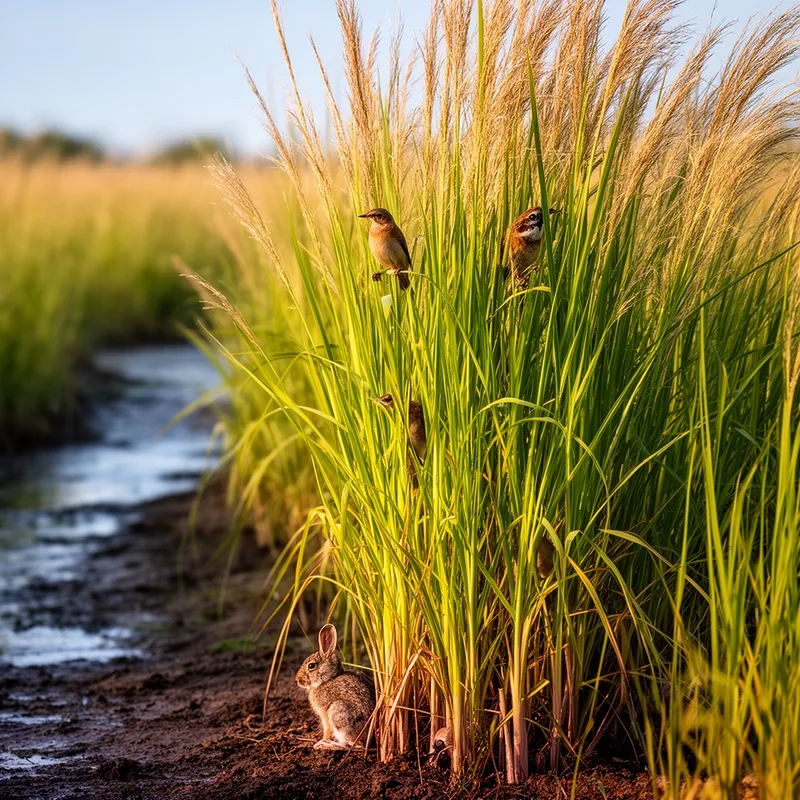
- Many birds and small animals make their homes in stands of prairie cordgrass.
Examples
-
Prairie cordgrass is often used for erosion control along streams and riverbanks.
-
Researchers are studying the potential of prairie cordgrass as a bioenergy crop.
-
The prairie cordgrass swayed gently in the wind.
-
Many animals depend on prairie cordgrass for habitat.
-
The prairie cordgrass provides essential habitat for many species of wildlife in North America's wetlands.
-
Farmers often plant prairie cordgrass to prevent soil erosion and improve habitat for local animals.
-
During our hike, we noticed that the prairie cordgrass swayed gently in the breeze, creating a beautiful landscape.
Synonyms

A tall grass that grows in North American salt marshes

A tall marsh grass with dry leaf edges and seeds with long hairs
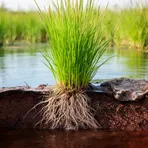
A grass that grows in fresh water wetlands and helps hold the soil
Surface Forms
Morphology
This is a straightforward noun–noun compound where 'prairie' (grassland) restricts the habitat/type of 'cordgrass' (a kind of grass), so a learner who knows both words can infer it is a grass found in prairies. While detailed botanical features in the full definition are specialized, the basic referent (a type of grass common to prairies) is transparently derived from the constituents.
Etymology
The name prairie cordgrass comes from two words: prairie, meaning 'open grassland', and cordgrass, a name for grasses with long, strong stems that look like thin cords. So the name paints a simple picture of a tall, tough grass that grows in prairies and wetlands, and that is why it is used to protect riverbanks and to give shelter to birds and small animals.

