
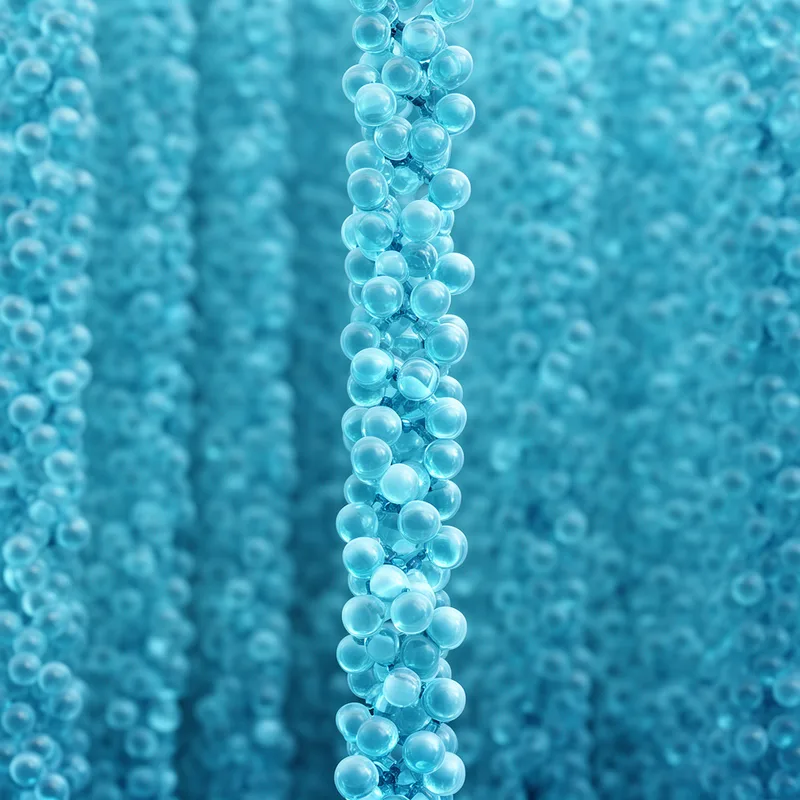
polymer
 38
6.3
38
6.3

- noun
- /ˈpɒlɪmər/
- Specialized
- All right, so every pentose in a DNA polymer is deoxyribose.
- synthetic polymer
- plastic polymer
- natural polymer
Loading YouTube…
Watch on YouTubeI think you would think money is made of, like polymer.
- I think you would think money is made of, like polymer.
- What is it that dictates what a polymer will be like, right?
- So the water polymers, what's bio assay?
- So there are these Cyano PPV type polymers that you can buy.
Examples
-
Here they take a polymer and they coat each side with carbon nanotubes.
-
Plastic bags are made from a type of polymer known for its flexibility and durability.
-
Looks like an everyday polymer to me.
-
Now I just want to get down some some polymer insights, OK?
-
What is it that dictates what a polymer will be like, right?
-
On one hand you want to make new polymers which are fully renewable.
-
That's the same polymer composite they use on the vehicle heat shields.
-
Then the monomers start reacting with each other, joining to form long polymer chains.
-
Although Samson's frame was constructed of lightweight polymers, he still weighed more than two hundred and fifty pounds.
Fiction book (2000) -
The frames of light work-class ROVs may be made from polymers instead of stainless steel or aluminum alloys.
Academic text (2008)
Synonyms
 1
7.3
1
7.3
A very large chemical made of many smaller parts like proteins or DNA

A very large group of atoms joined together in a long chain like in proteins or plastics
Compounds

- Specialized

 1
4.4
1
4.4
A man-made material that stays stable in very hot or cold temperatures and is used for rubber, glue, and coatings
- Specialized
A plastic material that removes minerals or metals from water by swapping charged particles with the liquid

- Specialized
A strong plastic made from many small chemical parts often used for pipes and floors
How Large
- Specialized
1
7.3

- Specialized
38
6.3
- Specialized
1
8.9
- Specialized
1
7.0
Surface Forms
Morphology
polymer = poly + mer
Although it contains the combining forms poly- and mer, the technical chemical meaning is not readily inferable for an average learner.
Etymology
Polymer comes from two Greek parts: poly- meaning 'many' and -mer meaning 'part', and you can see poly- in common words like polygon. So a polymer is literally 'many parts' joined together, which is why plastics and proteins are made of long chains of repeated units.