
pollinosis
- noun
- /ˌpɒlɪˈnoʊsɪs/
- Specialized
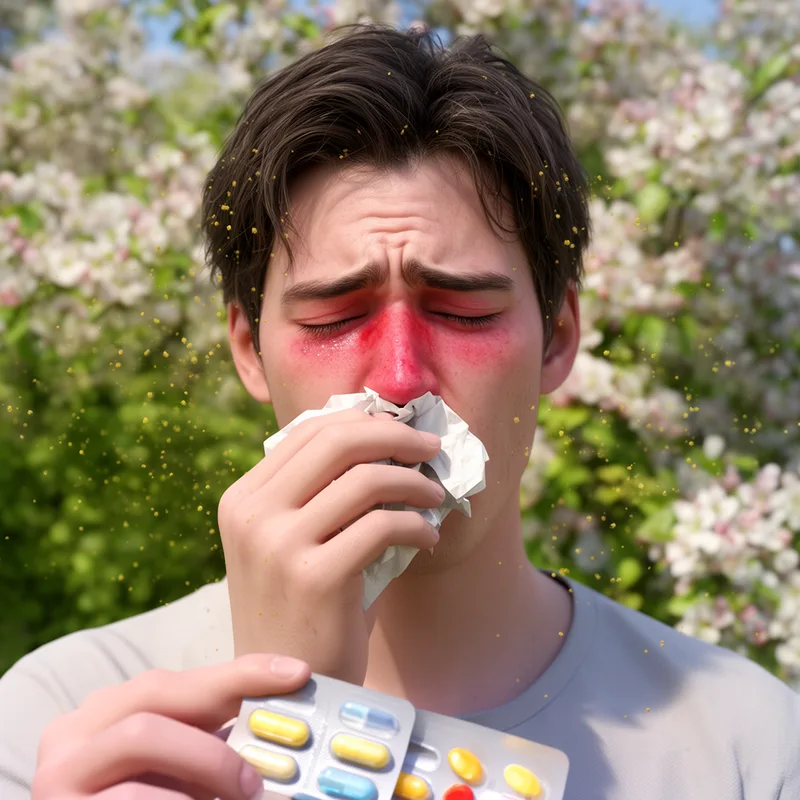
- Many people suffer from pollinosis during the spring when pollen counts are high.
Examples
-
Treatments for pollinosis typically involve antihistamines and avoiding exposure to pollen.
-
His doctor diagnosed him with pollinosis after he complained of persistent sneezing and itchy eyes.
-
Many people suffer from pollinosis during spring.
-
I have pollinosis and it makes me feel miserable.
-
His doctor diagnosed him with pollinosis after he complained of persistent sneezing and itchy eyes.
-
Many people suffer from pollinosis during the spring when pollen counts are high.
-
Treatments for pollinosis typically involve antihistamines and avoiding exposure to pollen.
Synonyms
 6
2.7
6
2.7

An allergy that makes your nose and eyes itchy and runny in spring and summer
Antonyms


Surface Forms
Morphology
pollinosis = pollen (semi-transparent) = pollin + osis
Formed from 'pollen' (via the combining form 'pollin-') plus the medical suffix '-osis' meaning a condition; the relation to pollen is clear but the suffix is technical and may be unfamiliar to average learners.
Etymology
Pollinosis comes from pollen, the 'fine dust from flowers', plus the ending -osis, which means 'condition'. So pollinosis is the 'condition' caused by pollen, which is why it means hay fever or seasonal allergies with sneezing and itchy eyes.