
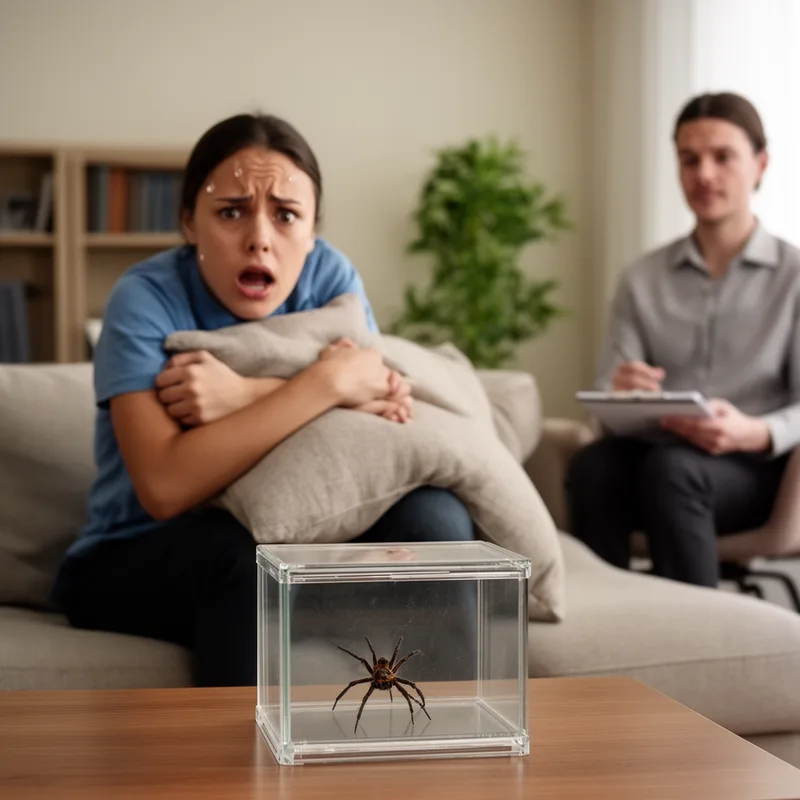
phobic neurosis
- noun
- /ˈfoʊbɪk njuˈroʊsɪs/
- Archaic
- His phobic neurosis prevented him from entering elevators or flying in airplanes.
Examples
-
His phobic neurosis kept him from attending crowded events or social gatherings.
-
Exposure therapy is sometimes used to treat patients with a phobic neurosis.
-
After years of suffering from a phobic neurosis, she finally sought help from a therapist.
-
Many people suffer from phobic neurosis related to heights.
-
Her phobic neurosis makes it difficult for her to travel.
-
After years of suffering from a phobic neurosis, she finally sought help from a therapist.
-
Exposure therapy is sometimes used to help treat individuals with a phobic neurosis.
Synonyms

 57
5.1
57
5.1

A very strong, unreasonable fear of a specific thing or situation
 11
8.3
11
8.3
A condition of feeling very worried or nervous without losing touch with reality


 1
7.7
1
7.7
A long, strong worry that often causes fast heartbeat and sweating

An extreme, unreasonable fear of a specific thing or situation that affects daily life
Antonyms

How Fearful
- Specialized
3
5.1

- Archaic
- Specialized
57
5.1
∞
1.0
290
1.0
Surface Forms
Morphology
The phrase is a straightforward adjective + noun composition: 'phobic' (experiencing an irrational fear) modifies 'neurosis' (a mental disorder), so the combined meaning — a neurosis characterized by irrational fear — is directly inferable from the parts. This medical/technical composition follows common morphological logic and is cross-linguistically regular, so a learner who knows both constituents can reliably deduce the meaning.
Etymology
Phobic neurosis comes from older words: phobic from a word for 'fear' and neurosis meaning 'nervous trouble'. So today phobic neurosis refers to a condition of 'very strong, often unreasonable fear of certain things or situations'.