

phlebothrombosis
- noun
- /flɛboʊθrɒmˈboʊsɪs/
- Specialized
- The patient developed phlebothrombosis in her left leg after weeks of immobility following surgery.
Examples
-
Unlike thrombophlebitis, phlebothrombosis occurs without signs of vein inflammation.
-
Doctors often treat phlebothrombosis with anticoagulants.
-
Pregnancy is a known risk factor for phlebothrombosis due to hormonal changes and reduced mobility.
-
The patient was diagnosed with phlebothrombosis last week.
-
Pregnancy is a known risk factor for phlebothrombosis due to hormonal changes and reduced mobility.
-
The patient developed phlebothrombosis in her left leg after weeks of immobility following surgery.
-
Doctors often treat phlebothrombosis with anticoagulants to prevent further complications.
Synonyms

 9
7.2
9
7.2

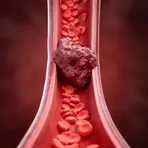
A blood clot that forms inside a blood vessel and may block blood flow
 1
8.8
1
8.8
A blood clot that forms inside a vessel and stays attached to the wall


 1
6.1
1
6.1
A blood clot in a vein that can cause pain and swelling
How Severe
- Specialized

- Specialized
- Specialized
1
6.1
- Specialized
9
7.2
Surface Forms
Morphology
phlebothrombosis = thrombosis (semi-transparent) = phlebo + thrombus + osis
Formed by the combining form 'phlebo-' (vein) added to 'thrombosis' (blood clot formation); composition is regular but uses medical combining forms that may be unfamiliar to general learners.
Etymology
The word phlebothrombosis comes from Greek parts: phlebo- meaning 'vein', thrombo- meaning 'clot', and -osis meaning 'condition'. So, phlebothrombosis literally means a 'vein-clot condition', which helps you remember it is when a blood clot forms in a vein without the usual signs like swelling or redness.