
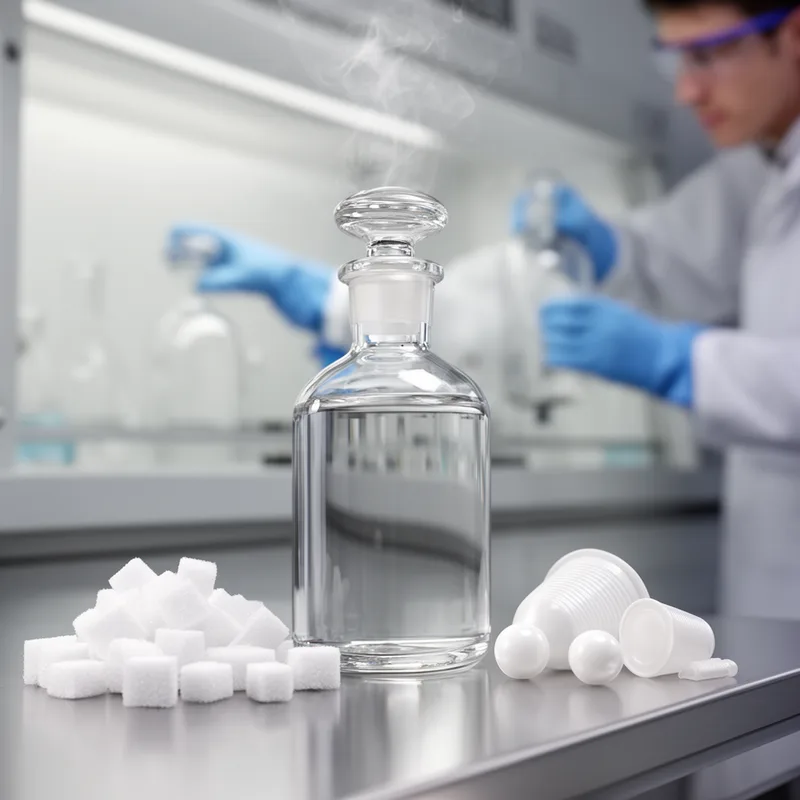
phenylethylene
- noun
- /ˌfɛnəlˈɛθɪˌliːn/
- Specialized
- The production of polystyrene requires a steady supply of phenylethylene.
Examples
-
In chemical laboratories, phenylethylene is often stored in airtight containers to prevent evaporation.
-
Exposure to phenylethylene vapors should be limited in industrial environments.
-
The chemical phenylethylene is essential in producing polystyrene.
-
Many manufacturers use phenylethylenes to create various plastics.
-
In chemical manufacturing, a large quantity of phenylethylene is needed to produce high-quality polystyrene.
-
Safety measures are crucial when handling phenylethylene, as its vapors can be hazardous in poorly ventilated areas.
-
The versatility of phenylethylene makes it a key component in the production of numerous plastic products.
Synonyms
 3
8.1
3
8.1

A clear oily liquid used to make polystyrene and other plastics

A clear oily liquid people use to make plastics like polystyrene

A colorless oily liquid used to make polystyrene plastic
Surface Forms
Morphology
Etymology
Phenylethylene breaks into phenyl and ethylene, where phenyl means a 'benzene ring', a ring of carbon atoms, and ethylene means a 'two-carbon piece' with a double bond. So, the name tells you the molecule is a benzene ring attached to a small two-carbon part, which helps explain why it is the oily building block used to make polystyrene and is also called styrene.