
permutability
- noun
- /pərˈmjuːtəˌbɪlɪti/
- Specialized
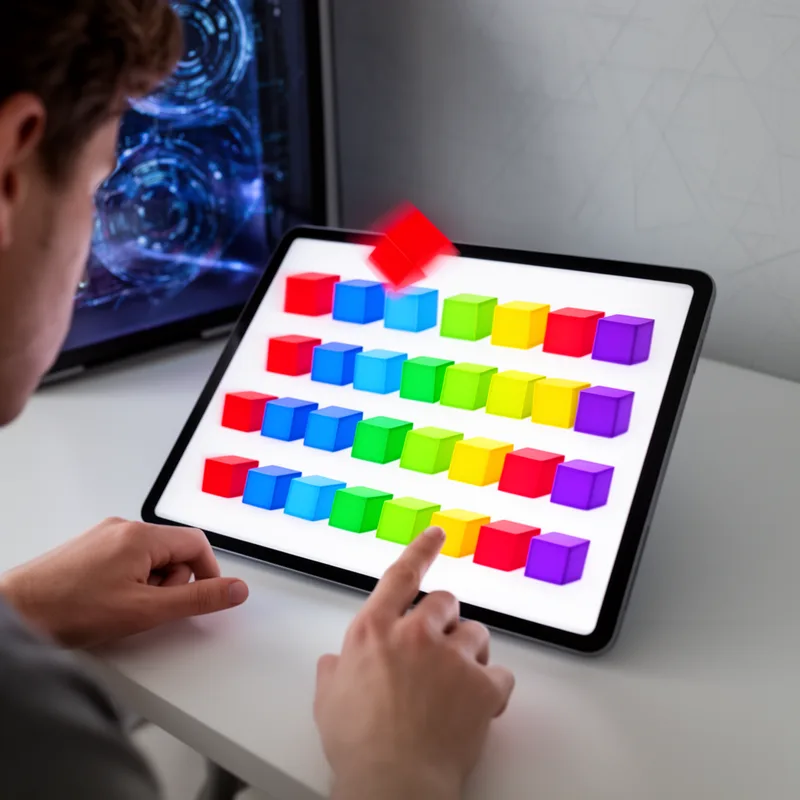
- The permutability of the puzzle pieces enables players to create various patterns.
Examples
-
Understanding the permutability of these elements is essential for solving the puzzle.
-
The permutability of the data allows for flexible analysis.
-
In cryptography, high permutability can increase the strength of an encryption system.
-
The permutability of the sequence allows for many different configurations in the algorithm.
-
Mathematics often explores the permutability of different variables.
-
In programming, the permutability of objects allows developers to modify their arrangement easily.
-
The permutability of the magnetic tiles makes it fun to build different shapes.
Synonyms
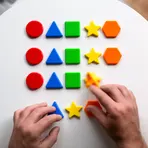
How easily things can be arranged in different orders
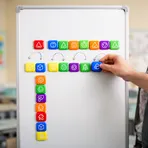
Ability to put parts in a different order, like notes or list items
Antonyms


How Changeable

Surface Forms
Morphology
permutability = permutable (transparent) = permut + able + ity
The noun is formed regularly from the adjective 'permutable' with '-ity', so the meaning follows directly from the base word.
Etymology
Permutability comes from Latin parts per- meaning 'through' and mutare meaning 'to change', and it is like the common word mutation which also shows 'change'. So permutability is the ability to have the order of things 'changed' or 'rearranged'.