

mutability
 1
8.4
1
8.4

- noun
- /ˌmjuːtəˈbɪləti/
Examples
-
Seasons, days, hours: the mutability of place.
Academic text (2009) -
I have some questions about his observations on mutability," he replied.
Fiction book (2002) -
Nor was the mutability of personal identity a theme unfamiliar to the period.
Academic text (2015) -
The precise dates emphasize mutability but also prepare for her later emphasis on eternity.
Fiction book (1996) -
But they were also fascinated by the idea of transmutation and believed in a sort of infinite mutability of matter.
Academic text (2004) -
Uncertainty results, it seems, from the sheer scale and mutability of health challenges, which thwart expectations for immediate redress.
Academic text (2010) -
On a larger level, the drama's celebration of identity's multiplicity and mutability frustrates the Romantic belief in a universal reader or reading experience.
Academic text (2017) -
The mutability of the weather makes planning outdoor events quite challenging.
-
Her mood displayed a constant mutability, changing from happiness to frustration in moments.
-
Scientists study the mutability of genes to understand how they evolve over time.
Synonyms
 153
3.6
153
3.6
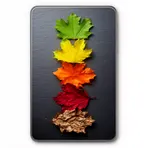
Ability to change plans or actions easily to fit new situations
 29
5.7
29
5.7
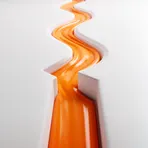
The amount that something changes over time or between things
 8
5.0
8
5.0
How easily someone or something changes to fit new situations
 1
3.8
1
3.8
How easy it is to change something to fit different needs


 1
4.6
1
4.6
How often or easily something becomes different, for example the weather
 1
6.1
1
6.1
Able to change opinions or plans easily

The ability to change

A quality of being able to change

How easy it is to change something

A quality of becoming different often and without warning

How often something becomes different, like the weather

The ability to change to fit new situations
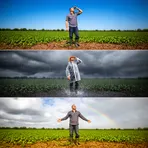
A quality of changing often, like rain or mood

Ability of a thing to be changed in shape, look, or use

The ability of something to change into a different form
Antonyms


How Changeable
- Specialized
49
7.1
 114
5.1
1
8.4
29
5.7
363
3.1
114
5.1
1
8.4
29
5.7
363
3.1
Surface Forms
Morphology
mutability = mutable (transparent) = mut + able + ity
Formed by adding the noun-forming suffix '-ity' to the adjective 'mutable', a regular and directly interpretable derivation.
Etymology
Mutability comes from the Latin verb mutare, which means 'to change', and the same root appears in English words like mutate and mutation. Think of a chameleon or a changing fashion trend: mutability is the 'ability to change', so we use it for feelings, viruses, or styles that do not stay the same.