
perennation
- noun
- /pəˈrɛnəˌneɪʃən/
- Specialized
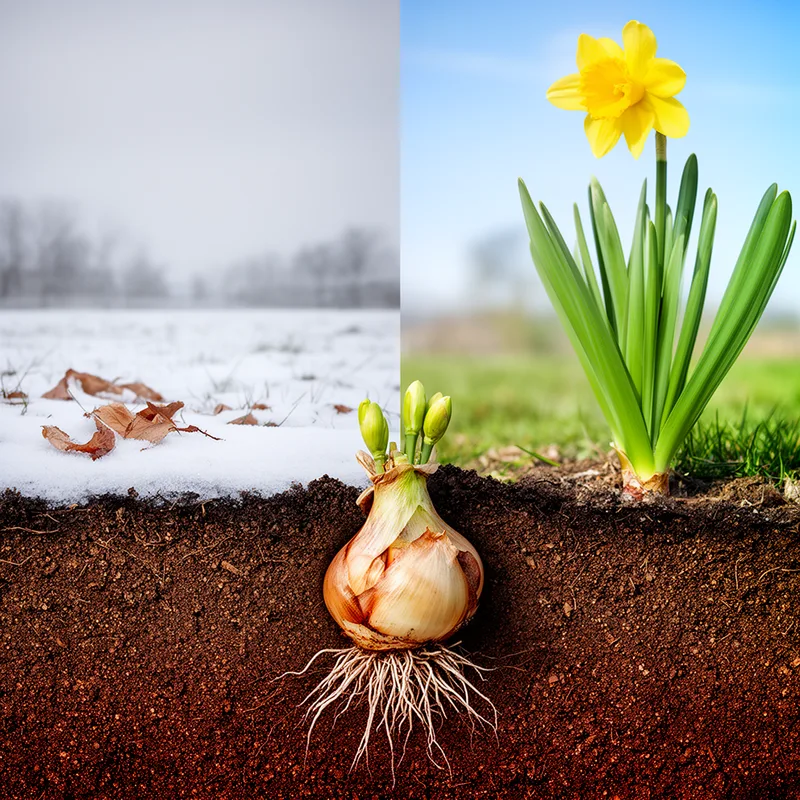
- Daffodils rely on perennation to bloom year after year without replanting.
Examples
-
The perennation of certain plants is achieved through the growth of underground storage organs.
-
Adaptations for perennation help species survive harsh winters and recurring drought.
-
The perennation of the plant ensures its survival during harsh winters.
-
Many plants rely on perennation to thrive in changing climates.
-
Adaptations for perennation help species survive harsh winters and recurring drought.
-
Daffodils rely on perennation to bloom year after year without replanting.
-
The perennation of certain plants is achieved through the growth of underground storage organs.
How Long-Lived
 58
5.5


- Specialized
Surface Forms
Morphology
perennation = perennial (transparent) = perenn + ation
Formed from the base idea 'perennial' (lasting year to year) with the standard noun-forming suffix '-ation' to indicate a process or state.
Etymology
Perennation comes from the Latin parts per- 'through' and annus 'year', the same root you see in perennial and annual. So perennation is a plant's way of surviving 'through the years', using bulbs or tubers to come back each season.