
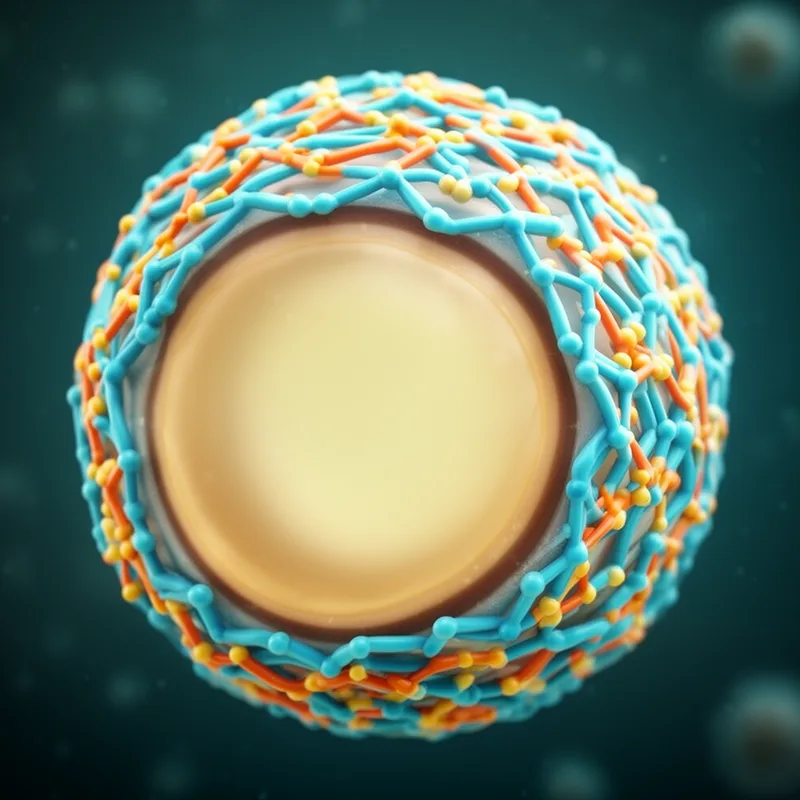
peptidoglycan


 1
9.3
- noun
- /ˌpɛp.tɪ.doʊˈɡlaɪ.kæn/
- Specialized
- For example, native amidase-active PGRPs are used by tsetse flies to shield their nutritional endosymbionts from the host immune system by recycling peptidoglycan from lysed endosymbiont cells.
- peptidoglycan layer
Examples
-
The researchers found that these non-toxic dyes preferentially label the sites where the peptidoglycan is synthesized, enabling fine spatiotemporal tracking of cell wall dynamics.
Blog text (26) -
Common bacterial glycoconjugates include the capsular polysaccharide, glycosylated proteins, lipopolysaccharide (LPS), and peptidoglycan.
Academic text (2018) -
Shortening of this bridge prevents peptidoglycan linking.
Blog text (25) -
Supplementing the cells with glycine resulted in relatively normal peptidoglycan with only a few missing bridges.
Blog text (25) -
This is the structure of the chemical dye that stains peptidoglycan through absorbing into the peptidoglycan.
-
Bacteria-to-eukaryote HGT events include not only genes for peptidoglycan degradation but also genes for peptidoglycan synthesis.
Academic text (2018) -
Although a peptidoglycan layer has been found surrounding the chloroplasts of mosses, no detectable peptidoglycan layer seems to exist in A. thaliana.
Academic text (2018) -
The lack of endotoxin in the outer cell wall is compensated for by the presence of exposed peptidoglycan and a range of other toxic secreted products.
Academic text (2017) -
Tae proteins cleave the amide linkages of peptidoglycan and were domesticated in at least three eukaryotic supergroups (Fig. 3; Table 1).
Academic text (2018) -
The cell wall of most bacteria is primarily composed of peptidoglycan, which provides structural support and protection.
Surface Forms
Morphology
Etymology
Peptidoglycan comes from the parts peptido- meaning 'small piece of protein' and glycan meaning 'sugar chain'. So, it literally names a sugar-and-protein layer that makes the outer wall of many bacteria.