
patholysis


 1
9.9
- noun
- /pæθˈɑlɪsɪs/
- Specialized
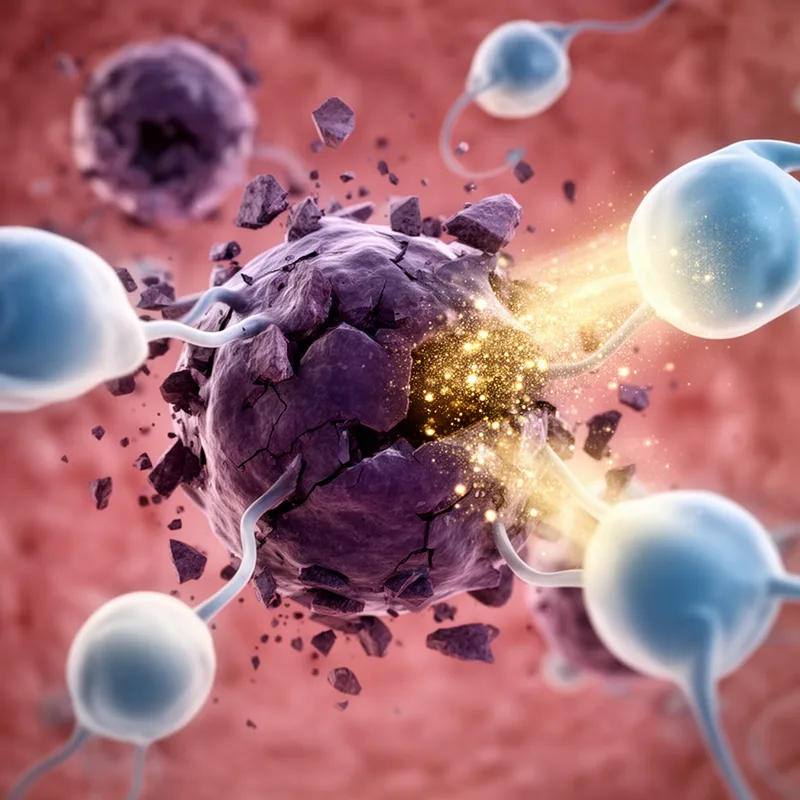
- Rapid patholysis of cancer cells was observed after the experimental drug was administered.
Examples
-
The process of patholysis is crucial for healing.
-
Researchers are studying patholysis in cancer treatments.
-
The immune system triggered patholysis to eliminate the infected cells from the body.
-
Researchers studied the process of patholysis to develop new treatments for bacterial infections.
-
The patient underwent patholysis to remove the cancerous cells from her body.
-
Patholysis is a vital process that helps eliminate diseased tissue during treatment.
-
Doctors often rely on patholysis to restore health by breaking down harmful organisms.
Synonyms
 1
9.3
The breaking open and death of cells that releases their contents
 1
9.9
Cells break open when something destroys their outer membrane
Antonyms

Surface Forms
Morphology
Etymology
Patholysis comes from the parts patho- meaning 'disease', as in pathology, and -lysis meaning 'breaking down', as in analysis. So patholysis literally means the 'breaking down' of diseased cells, which is why it refers to the destruction of harmful tissue.