

pasture brake
- noun
- UK
- Farmers often struggle to control pasture brake as it competes with grass for space and nutrients.
Examples
-
During summer, thick clusters of pasture brake can be seen along old fence lines.
-
The field was overgrown with pasture brake, making it difficult for other plants to thrive.
-
The field was overgrown with pasture brakes that towered above the wildflowers.
-
The pasture brake is often found in damp areas.
-
Farmers often consider the pasture brake a nuisance.
-
During summer, thick clusters of pasture brake can be seen growing in the fields.
-
Farmers often struggle to control pasture brake because it spreads quickly across their pastures.
Synonyms

 2
8.1
2
8.1

A large coarse fern that grows in woods or open land
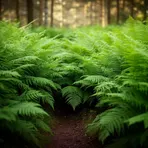

 1
9.9
1
9.9
A large fern plant with many leaves that grows close to the ground
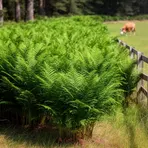
A large wild fern with many fronds that grows in groups and spreads quickly
How Weedy

Surface Forms
Morphology
The meaning 'a patch of bracken or coarse fern in grazing land' is directly and compositionally derived from 'pasture' (grazing land) + 'brake' (a patch or growth of bracken/ferns). This straightforward noun–noun modifier relationship is a common compounding pattern, so a B1 learner who knows both constituents can infer the MWE's meaning.
Etymology
Pasture brake likely comes from the old word brake, meaning a thick patch of ferns or bushes, so pasture + brake literally named the fern that grows in a field. That's why pasture brake now means 'a coarse fern' or 'a weed' that can take over pastures.