
invasive
 1
4.8
1
4.8

- noun
- /ɪnˈveɪsɪv/
- Specialized
- But I like the ethos and the principles behind it because axis deer are an invasive species in Hawaii.
- nonnative invasives
- invasives and natives
Examples
-
The State of the Lakes Report (2009) showed that between 1996 and 2008 alone, there were an additional 19 invasive species in the Lakes, adding to the 166 aquatic invasives identified since the 1800s.
Academic text (2011) -
Here is the upside of some invasive species.
-
You've got a massive invasive species.
-
They can be invasive species that interfere with agriculture or with other quality of life issues.
-
In Yosemite, researchers used Edna to track and remove invasive bullfrogs.
-
And so in many parts of the world, invasives outnumber native species and are numerically dominant.
-
Does that mean we're going to be able to sustain some of the wetland or are we going to lose all the wetland and end up with invasive grasses?
-
The removal of invasive species is crucial for protecting local wildlife.
-
Invasive species can rapidly dominate ecosystems, outcompeting native plants.
-
Efforts to control invasive species are important for maintaining biodiversity.
Synonyms
 9
4.2
9
4.2
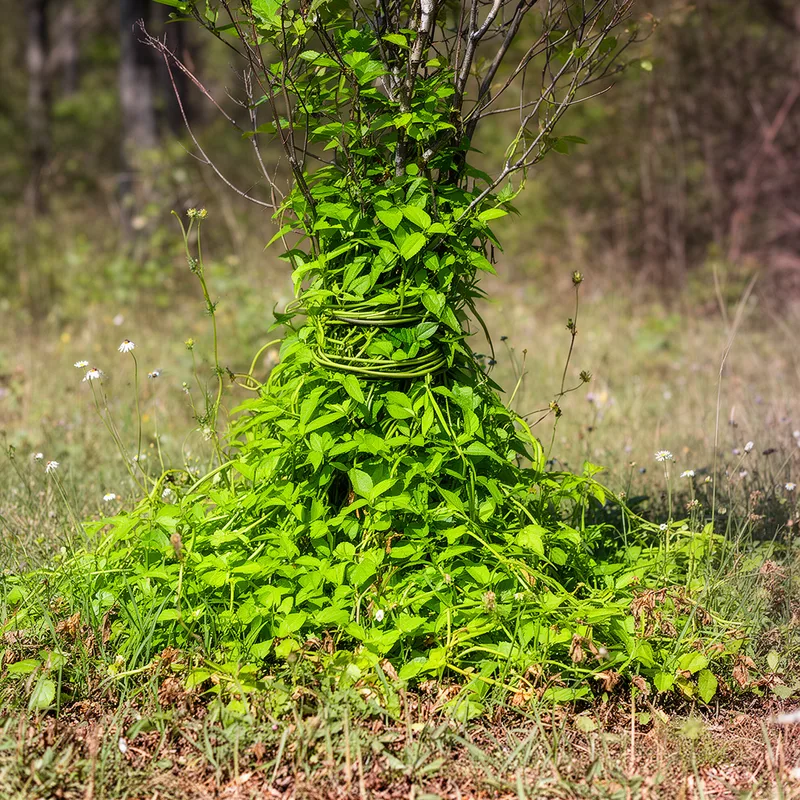
A plant or animal from another place that spreads and harms local plants and animals
 7
4.4
7
4.4
Plants or animals from another place that spread quickly and harm local plants and animals
Antonyms
Compounds
- Specialized
7
4.4
Plants or animals from another place that spread quickly and harm local plants and animals

- Specialized
An operation using small tools and a camera to bypass blocked blood vessels while the heart beats

- Specialized
A fish from another place that spreads quickly and harms local plants and animals
How Invasive


Surface Forms
Etymology
The noun invasive (often used as invasives) comes from in- 'in' and the root of invade 'to go into'. It names plants or animals that 'go into' new places and harm the local nature.