

passive air defense
- noun
- /ˈpæsɪv ɛr dɪˈfɛns/
- Specialized
- Effective passive air defense can reduce vulnerability to enemy air raids without firing a single shot.
Examples
-
The military implemented passive air defense techniques, such as camouflage and dispersing important assets.
-
Concrete bunkers are a classic example of passive air defense used during wartime.
-
The military implemented a new passive air defense strategy.
-
Many countries rely on passive air defenses to protect their borders.
-
Concrete bunkers are a classic example of passive air defense used during wartime.
-
Effective passive air defense can reduce vulnerability to enemy air raids without firing a single shot.
-
The military implemented passive air defense techniques, such as camouflage and dispersing important assets.
Antonyms
- Specialized


 1
6.1
1
6.1
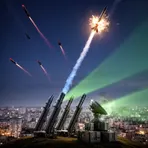
A way of protecting an area from enemy planes or missiles using weapons and electronic systems to stop them
How Passive
- Specialized

- Specialized
1
6.1
Surface Forms
Morphology
The meaning is directly compositional: 'air defense' = protection against air attacks and 'passive' = non‑active/inactive measures, so a learner who knows the constituents can infer it refers to non‑engagement protective measures (deception, dispersal, fortification). This is a literal, technical but transparent combination that follows normal English noun + adjective composition and is thus understandable to a B1 learner who knows the parts.
Etymology
Passive air defense is protection against attacks from the sky, where passive means no active fighting and air defense means protecting from air attacks. Think of concrete bunkers, camouflage, or moving planes and supplies apart, because these things stop or confuse attacks 'without firing a shot', so the phrase means protecting by shelter and tricking the enemy, not by shooting.