
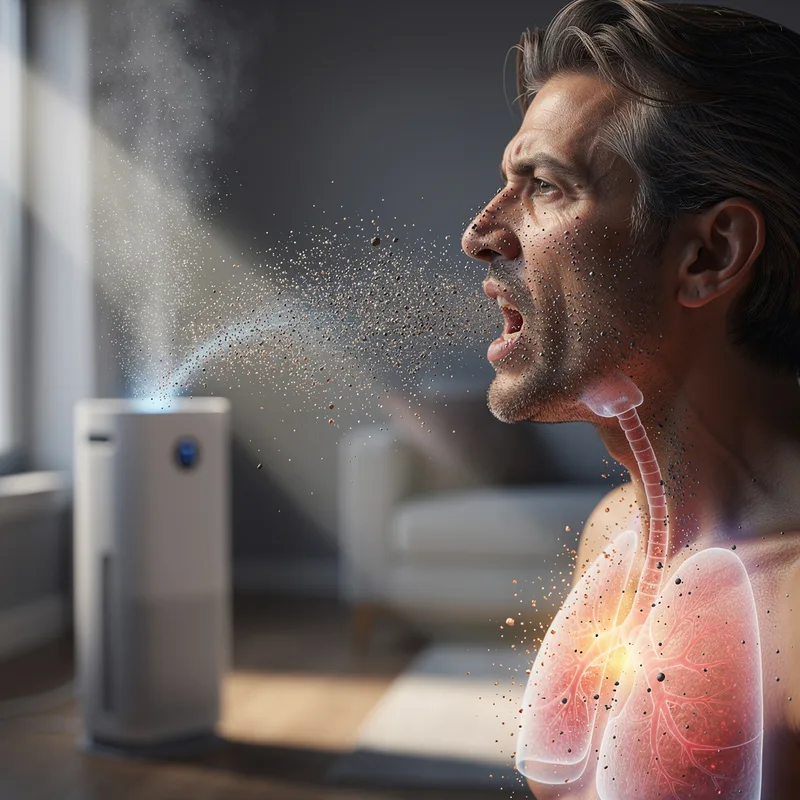
particulate matter
 4
5.1
4
5.1

- noun
- /pɑrˈtɪkjʊlɪt ˈmætər/
- Specialized
- Real-time measurements of particulate matter with an aerodynamic diameter of 2.5 nm or smaller (PM2.5) were made.
- particulate matter exposure
- particulate matter concentrations
- fine particulate matter
Loading YouTube…
Watch on YouTubeSo, yeah, a lot of it is is coming from this fine particulate matter.
- So, yeah, a lot of it is is coming from this fine particulate matter.
- And we're seeing this path towards the reevaluation of the ozone rule and the particulate matter rule.
Examples
-
A few factors might explain the discrepancy between the authors' results with respect to particulate matter and those previously reported.
Academic text (2005) -
The HEI study indicates that particulate matter is definitely the culprit in these deaths.
Academic text (2000) -
So you can feel the, what do you call it, the particulate matter in the air?
-
After controlling for time and weather, the particulate matter variable was introduced to the model.
Academic text (2008) -
Those are emissions that lead to particulate matter and ground level ozone.
-
Biodiesel fuel blends deliver benefits in reduced engine emissions of particulate matter.
Academic text (2012) -
As expected, rain was negatively correlated with all pollutants, although this relationship was more intense with particulate matter.
Academic text (2005) -
The mountain-rimmed basin aids the formation of temperature inversions that concentrate suspended particulate matter and hold it near the surface.
Academic text (1993) -
The number concentrations of particulate matter were measured using an OPC (HIAC/ROYCO 5230).
Academic text (2008) -
High levels of particulate matter in the air can trigger respiratory problems in vulnerable individuals.
Synonyms
 706
1.0
706
1.0
Tiny, dry particles that collect on surfaces or float in the air
 11
4.7
11
4.7
A mixture of tiny liquid drops or solid particles floating in air

Very small bits of dirty matter in the air that come from smoke and engines and can harm people's health
Surface Forms
Morphology
The meaning is directly compositional from 'particulate' (minute solid or liquid particle) + 'matter' (substance), so together they denote substances made up of tiny particles, especially in air. This noun–noun combination is literal and conceptually transparent and would be understandable to a B1 learner who knows both constituent words, despite its technical use in environmental contexts.
Etymology
The term particulate matter comes from a simple image: tiny pieces of 'matter' floating in the air. Particulate means small 'particles' and matter means 'stuff', so the phrase refers to very small particles in the air that can be harmful.