
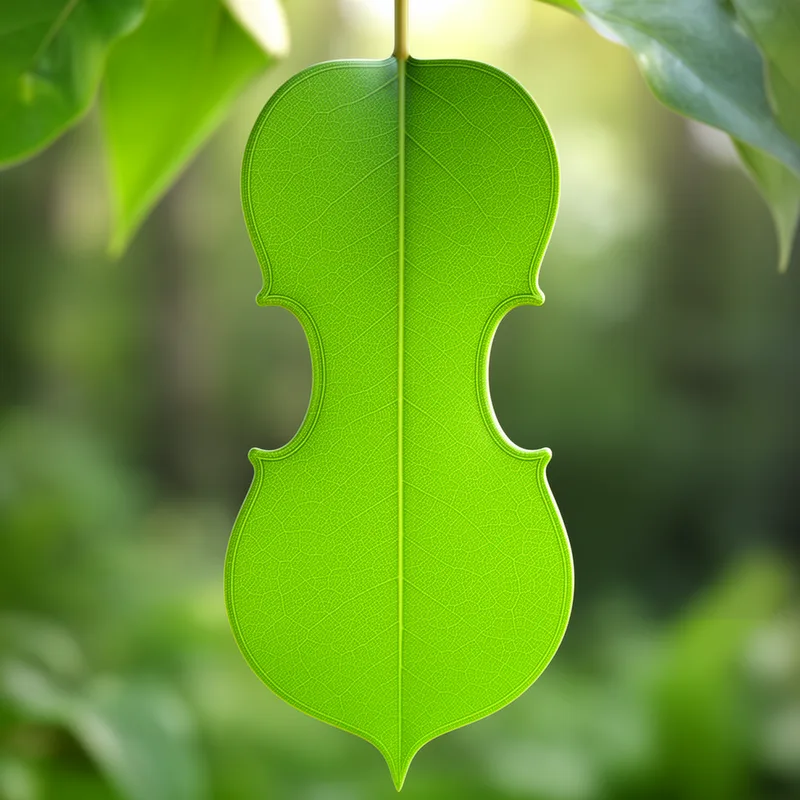
pandurate
- adjective
- /ˈpændjʊreɪt/
- Specialized
- The botanist noted that the leaf was pandurate, narrowing in the middle like a fiddle.
Examples
-
The pandurate form of the leaf distinguishes it from other similar plants.
-
In this species, the pandurate leaves are characterized by their rounded ends and a narrow center.
-
Some species exhibit pandurate leaves, which help in identifying them.
-
Look at the pandurate foliage in the garden!
-
The pandurate leaves are quite distinctive.
-
The pandurate shape of the leaves resembles that of a fiddle, making them easily recognizable.
-
The plant's unique pandurate leaves help in distinguishing it from other varieties in the region.
Synonyms

A leaf or object with rounded ends and a narrow middle like a violin
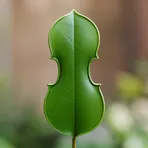
A leaf shaped like a small violin with rounded ends and a narrow middle
Compounds
Surface Forms
Morphology
pandurate = pandura (opaque) = pandur + ate
The adjective is derived from the obscure noun 'pandura' plus the suffix '-ate'; most learners will not know the instrument term and cannot reliably infer 'fiddle-shaped'.
Etymology
Pandurate comes from pandura, the name of an old string instrument like a small fiddle with rounded ends and a narrow middle. So a pandurate leaf is 'like a fiddle', wide at the ends and narrow in the middle.

