

palpebration
- noun
- /ˌpæl.pəˈbreɪ.ʃən/
- Specialized
- Her palpebration became more noticeable under stress, prompting a visit to the specialist.
Examples
-
The doctor noted excessive palpebration as a possible sign of neurological issues.
-
Frequent palpebration can sometimes be mistaken for habitual winking.
-
Frequent palpebration can indicate a medical condition.
-
He experiences palpebrations when he is stressed.
-
The doctor explained that persistent palpebration can be a symptom of underlying eye problems.
-
She had to seek medical advice after her palpebration turned into a continual blink that wouldn't stop.
-
During his assessment, the neurologist observed uncontrollable palpebration as a key indicator of a potential condition.
Synonyms

Repeated blinking of the eyes that you cannot control
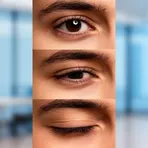
A quick closing and opening of the eyelids

To close and open the eyes quickly and repeatedly
Antonyms




How Often

Surface Forms
Morphology
palpebration = palpebrate (opaque) = palpebra + ation
Formed from the rare medical verb 'palpebrate' + '-ation'; both the stem and base verb are specialized and not recognizable to an average B1 learner.
Etymology
Palpebration comes from the Latin palpebra ('eyelid') and the ending -ation that makes it an action. So palpebration means the repeated closing and opening of the eyelids, in other words 'blinking', and is often used when the blinking is not under control.