
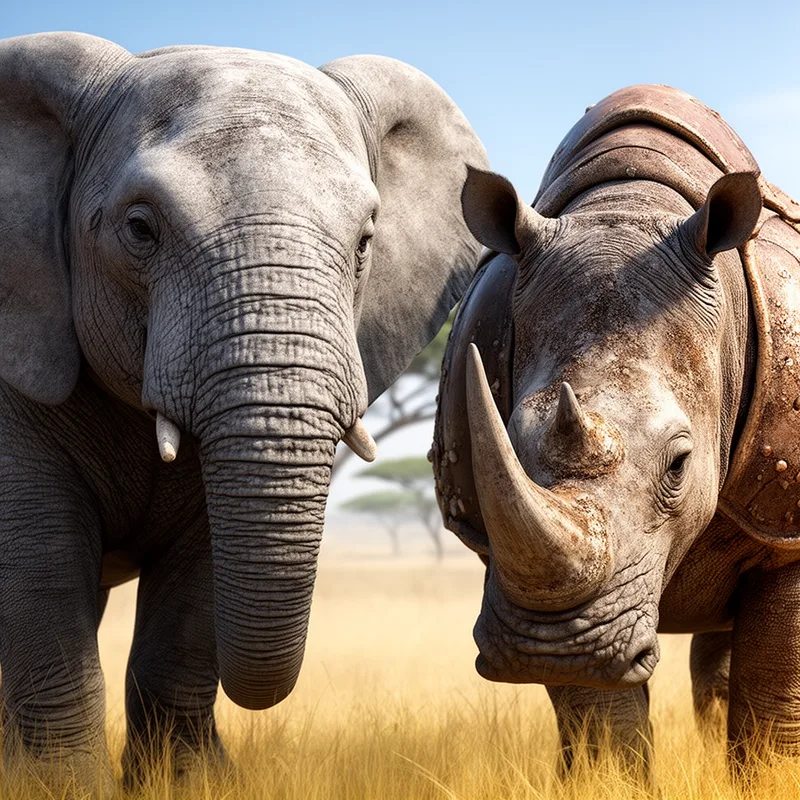
pachydermous
- adjective
- /ˌpækɪˈdɜrməs/
- The pachydermous hide of a rhinoceros provides natural protection against predators.
Examples
-
The pachydermous elephant wandered through the savannah.
-
Rhinoceroses are known for their pachydermous skin.
-
Her research focused on the pachydermous animals of Africa, particularly elephants and hippos.
-
His pachydermous attitude made him seem emotionally thick-skinned and unresponsive.
-
The pachydermous hide of a rhinoceros provides natural protection against predators.
-
Her research focused on the pachydermous animals of Africa, particularly elephants and hippos.
-
Rhinoceroses are known for their pachydermous skin.
Synonyms
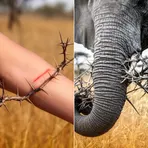
Having very thick skin like an elephant or rhino

Having thick skin like an elephant or a rhino

Like large animals with very thick skin, for example elephants or rhinos
How Thick-Skinned


Surface Forms
Morphology
Etymology
Pachydermous comes from the Greek parts pachy- meaning 'thick' and -derm meaning 'skin', the same idea behind pachyderm (an elephant). So it describes animals with very thick skin like elephants and rhinos, and by extension can mean someone who is emotionally 'thick-skinned'.