

pachydermatous
- adjective
- /ˌpækɪˈdɜrmətəs/
- The elephant's pachydermatous skin helps protect it from harsh environmental conditions.
Examples
-
Pachydermatous animals like rhinoceroses are known for their thick skin and adaptability.
-
The zookeeper pointed out the pachydermatous features of the hippopotamus to the eager students.
-
The hog has survived changes that have swept multitudes of pachydermatous animals from the surface of the earth.
Academic text (1997)
Synonyms

Having thick skin like an elephant or a rhino

Like large animals with very thick skin, for example elephants or rhinos
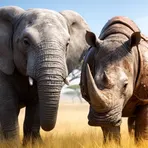
Like thick-skinned animals such as elephants or rhinoceroses
Antonyms


Compounds

- Formal
A way of behaving that shows little care for other people's feelings

- Formal
A reaction that shows little concern for criticism or others' feelings
How Thick-Skinned


Surface Forms
Morphology
Etymology
Pachydermatous comes from the Greek parts pachy- meaning 'thick' and derma meaning 'skin', the same idea as in pachyderm, the name for animals like elephants and rhinos. So it describes animals with very thick skin.