

pachydermic
- adjective
- /ˌpækɪˈdɜrmɪk/
- The pachydermic skin of the elephant helps protect it from predators and harsh conditions.
Examples
-
Scientists studied the pachydermic adaptations found in rhinoceroses for clues to their evolutionary history.
-
Look at the pachydermic texture of that hippo!
-
Her pachydermic patience with the children impressed everyone at the daycare center.
-
The pachydermic skin of an elephant is thick.
-
The pachydermic skin of the elephant helps protect it from predators and harsh conditions.
-
Scientists studied the pachydermic adaptations found in rhinoceroses for clues to their evolutionary history.
-
Look at the pachydermic texture of that hippo!
Synonyms

Having thick skin like an elephant or a rhino
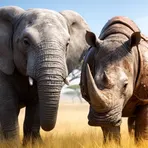
Like thick-skinned animals such as elephants or rhinoceroses
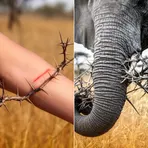
Having very thick skin like an elephant or rhino
How Thick-Skinned


Surface Forms
Morphology
Etymology
Pachydermic comes from old Greek parts pachy- meaning 'thick' and -derm meaning 'skin', the same idea behind pachyderm, the name for animals like elephants, rhinos, and hippos with very thick skin. So pachydermic means 'relating to' or 'like' those thick-skinned animals.